
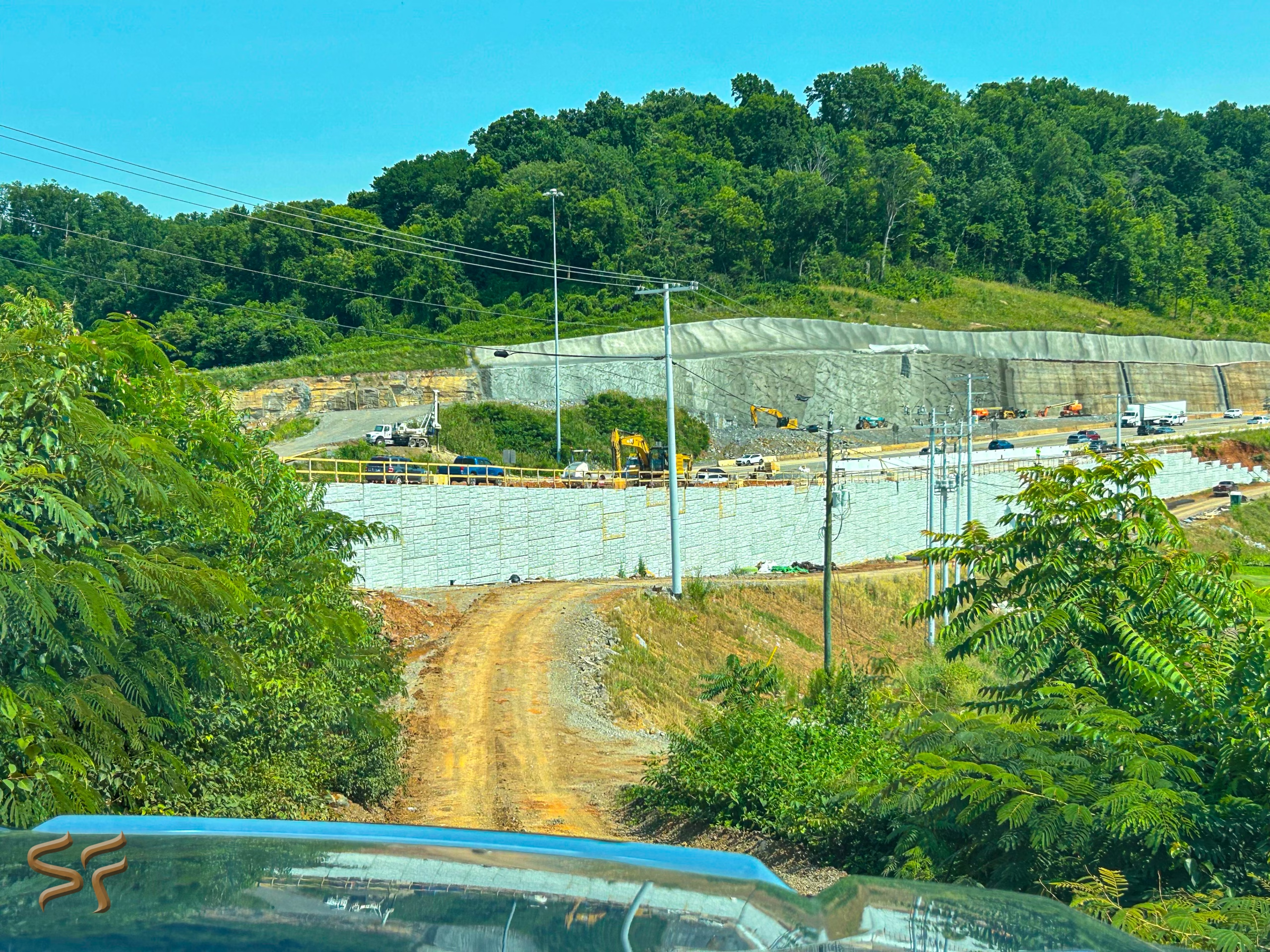
From a highway corridor reshaping Knoxville's front door to a Class A industrial park rising outside Nashville — two projects, one state, and concrete that earns a second look.
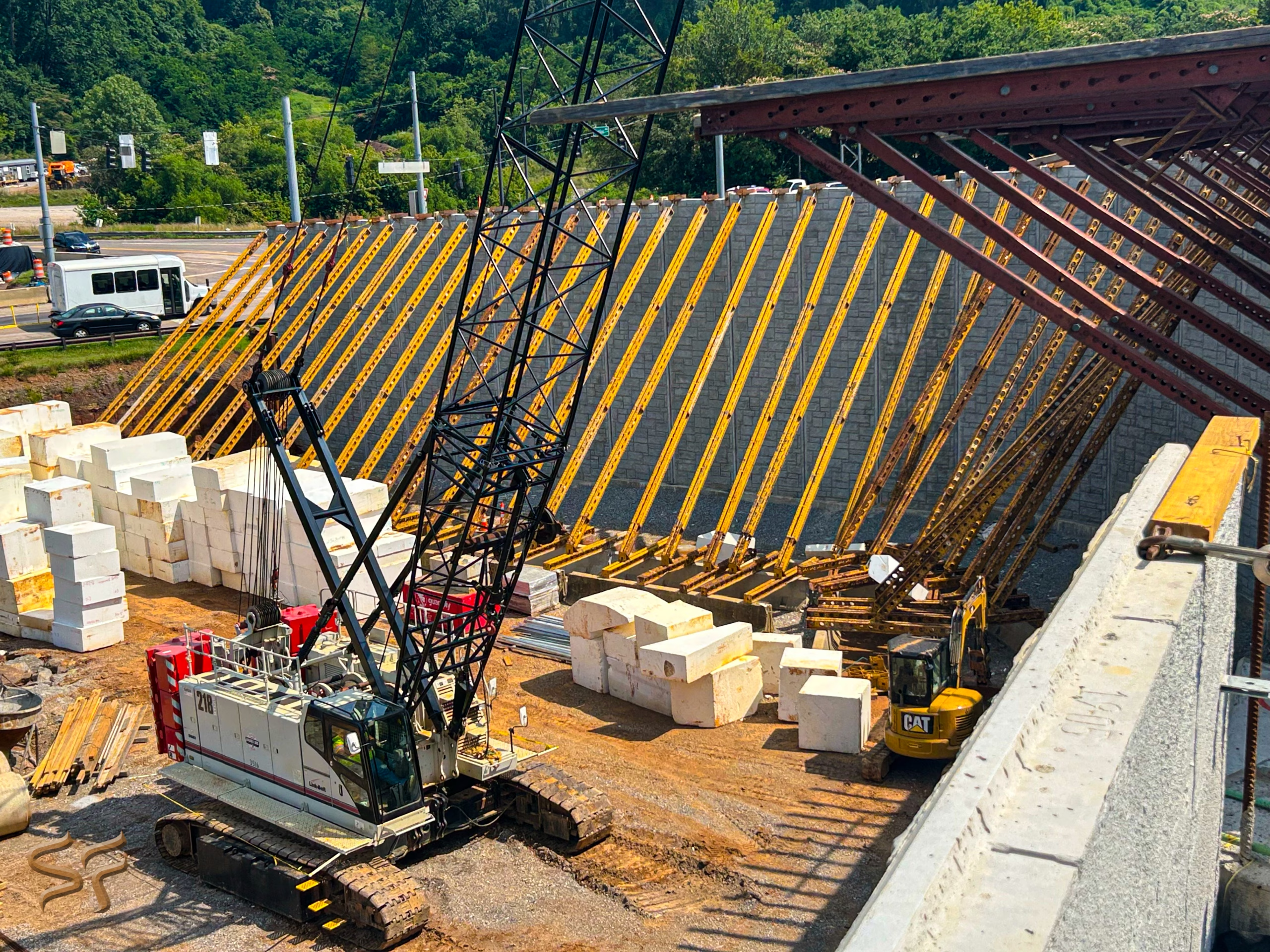
The Alcoa Highway Corridor is the largest road project in Tennessee Department of Transportation history — a $186 million, 13-mile reconstruction of SR 115 (US 129) from Hall Road in Blount County to Cherokee Trail in Knox County. The corridor is the primary connection between downtown Knoxville and McGhee Tyson Airport, and runs directly in front of the University of Tennessee campus, UT Medical Center, and the Navy-Marine Training Center.
To fund the Cherokee Trail segment specifically, TDOT secured a $123.7 million infusion from the federal Infrastructure Investment and Jobs Act. As a result, the project is widening 1.6 miles from four lanes to six and fully reconstructing the Cherokee Trail/UT Medical Center interchange — a stretch that handles some of the highest daily traffic volumes in East Tennessee.
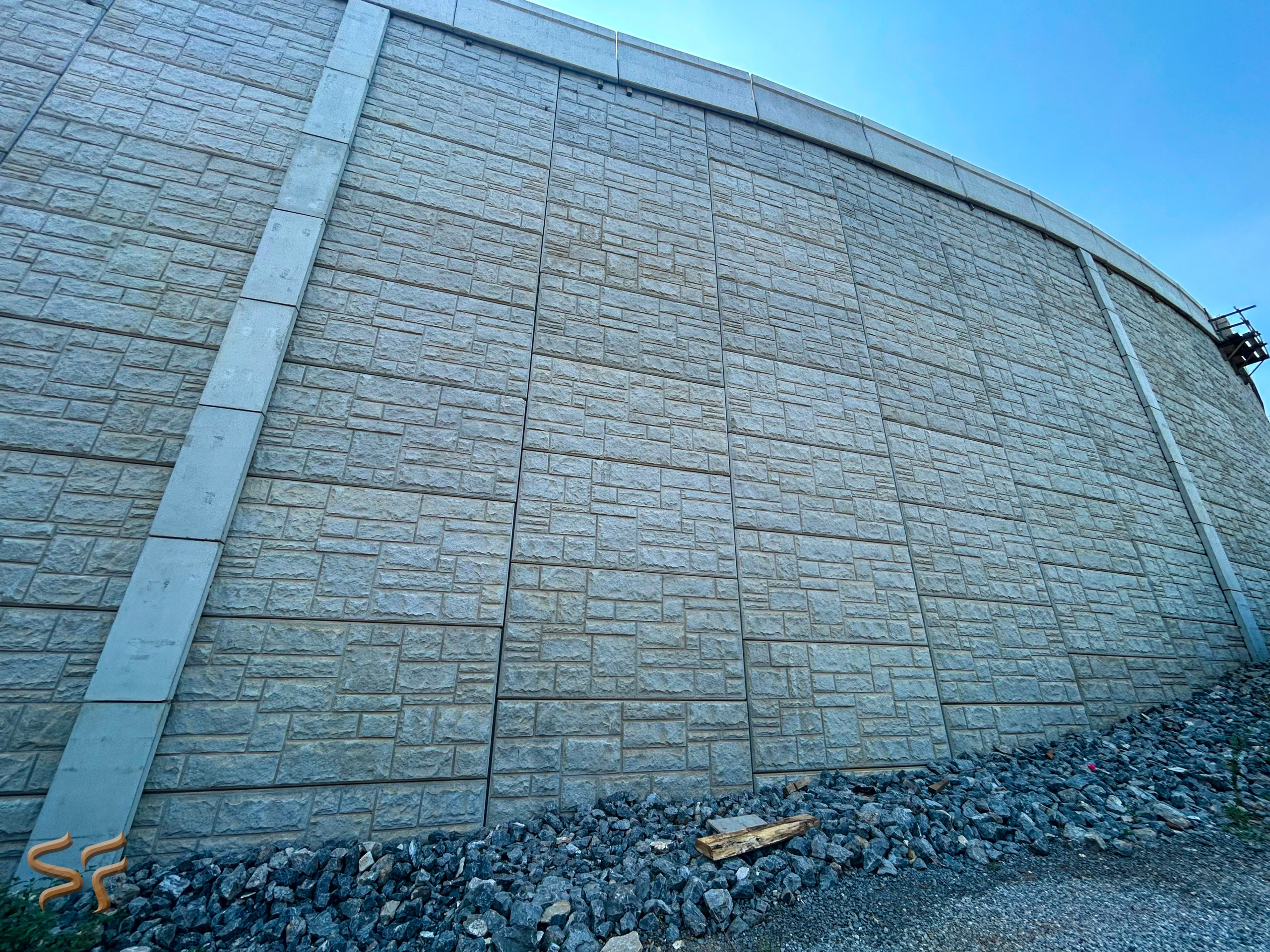
A project this size lives and dies by its retaining walls. The corridor is lined with towering soil nail walls — one standing 62 feet tall — faced with our 15030 4x8 panels in the Ashlar Stone pattern. Additionally, Reinforced Earth MSE walls throughout the corridor are cast in the same finish. The result is mile after mile of structural wall that reads like hand-laid stone masonry instead of bare concrete.
Charles Blalock & Sons precast and installed every panel on this job. Moreover, Blalock has now produced virtually every precast ashlar wall in Knoxville and the surrounding region using our 15030 liners. That's not a one-off project — that's a partnership built one wall at a time.
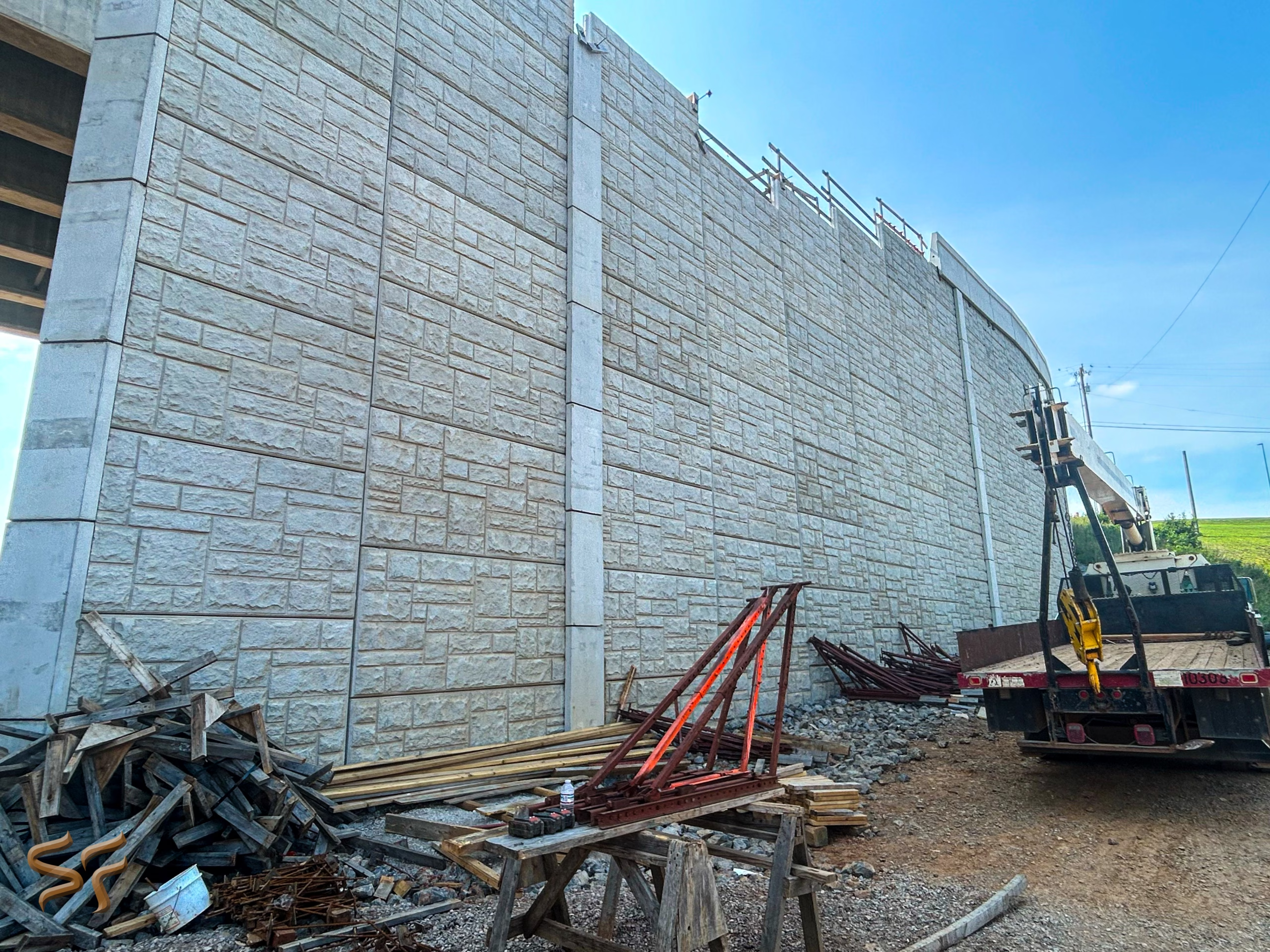
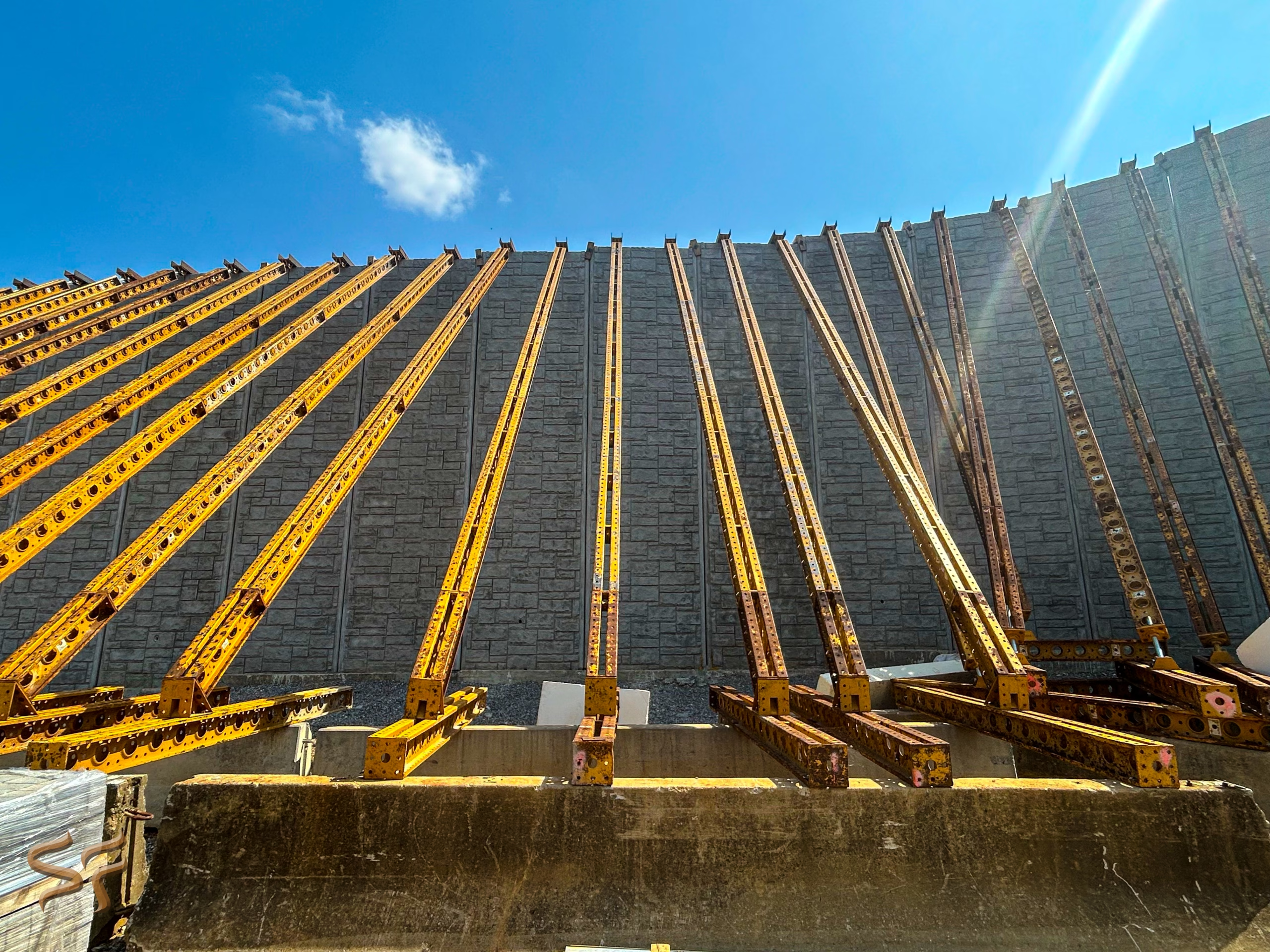
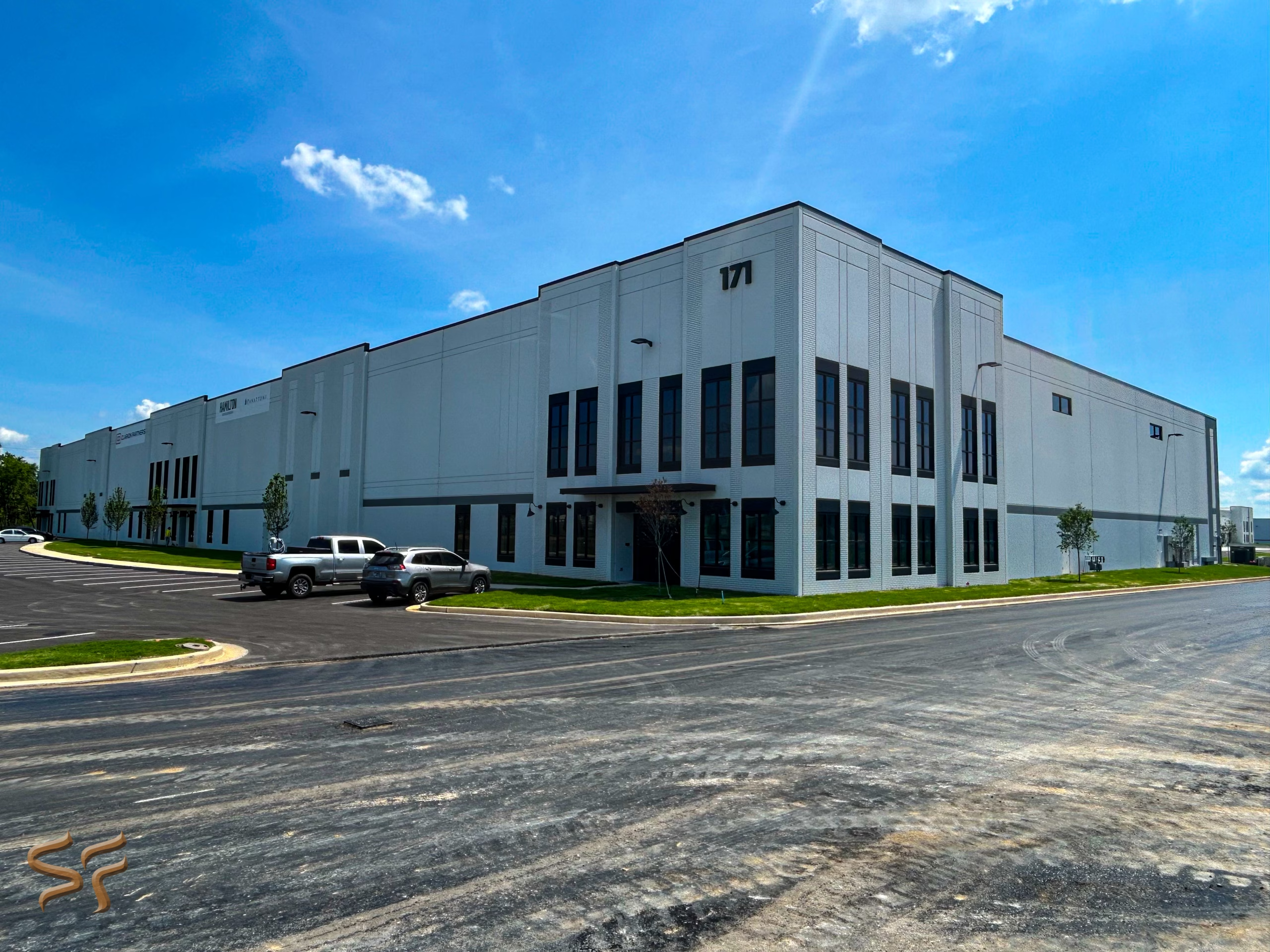
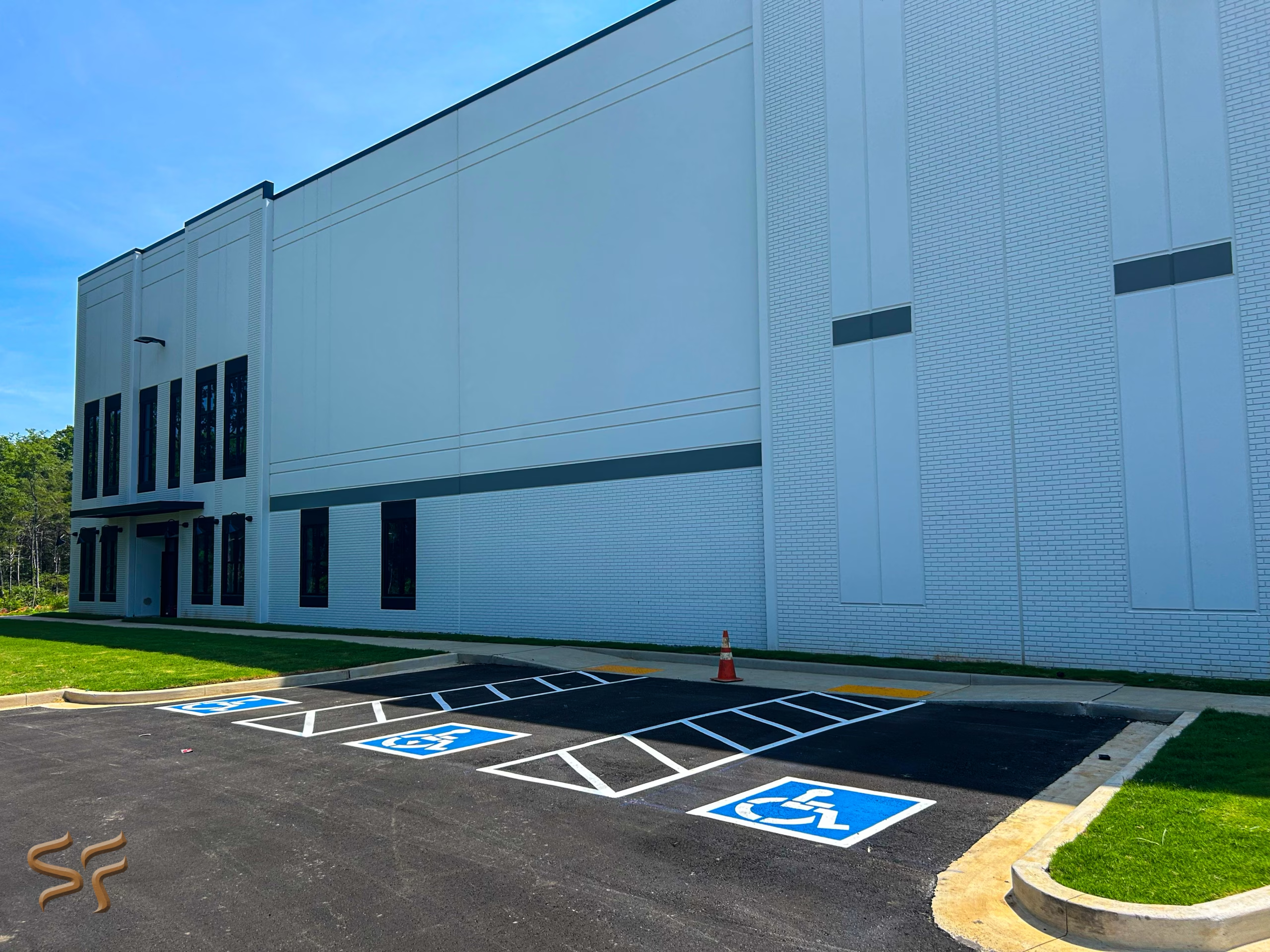
Fifteen miles southeast of Nashville, Hamilton Development is building six Class A industrial buildings across an 80-acre site at 211 Waldron Road in La Vergne — a city that's become one of the fastest-growing industrial markets in Middle Tennessee. Building 1 is the first out of the ground, and it's tilt-up: massive concrete panels cast on the slab, then tilted into place. Jay-Ton Construction handled the work, with formliners distributed through Colony Hardware.
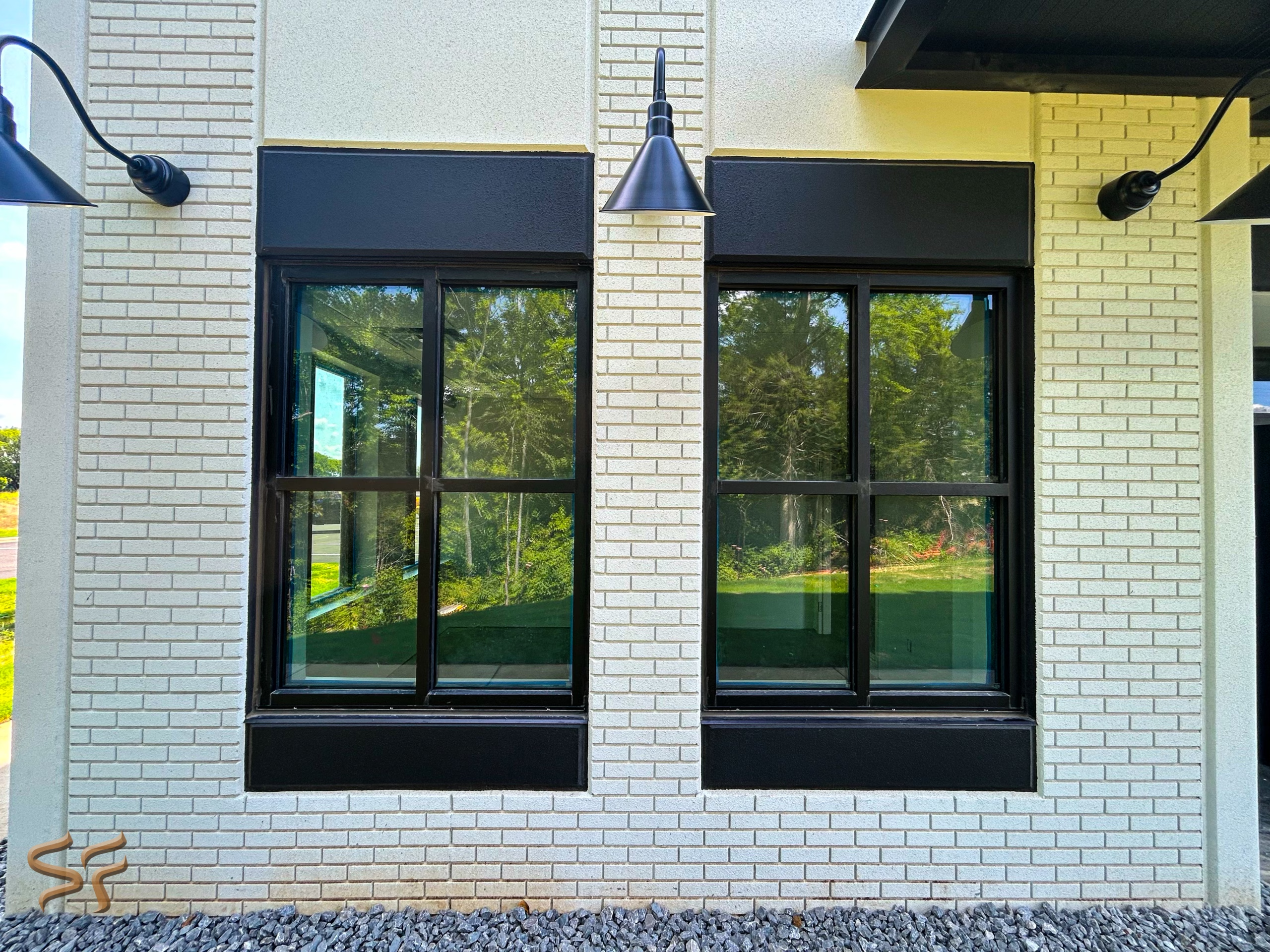
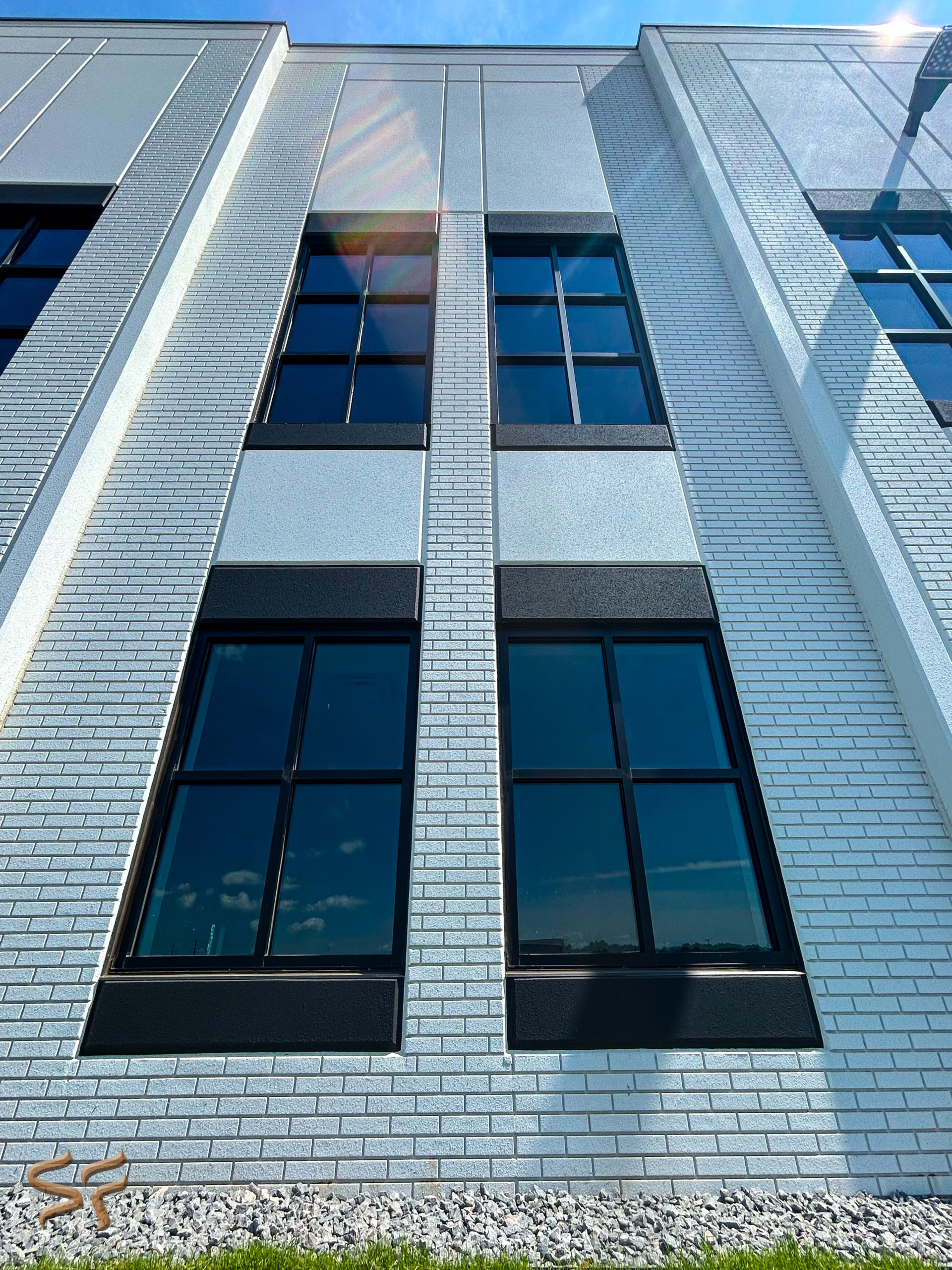
What makes this project stand out is the scale and the execution. In total, the project required 1,073 sheets of our 1303 4x10 brick-pattern formliner across five separate orders over five months. The liner joints came out seamless — no small achievement on a tilt-up at this volume.
Furthermore, the sandblast finish applied over the brick-face texture added a refined final layer to the facade. Consequently, Building 1 has a level of polish that sets the tone for the entire park. The GC was happy. We were impressed. And in a market growing as fast as La Vergne, that finish matters.
Whether it's a state DOT retaining wall system, a tilt-up industrial facade, or anything in between — we engineer the formliner to match your vision, your deadline, and your scale.