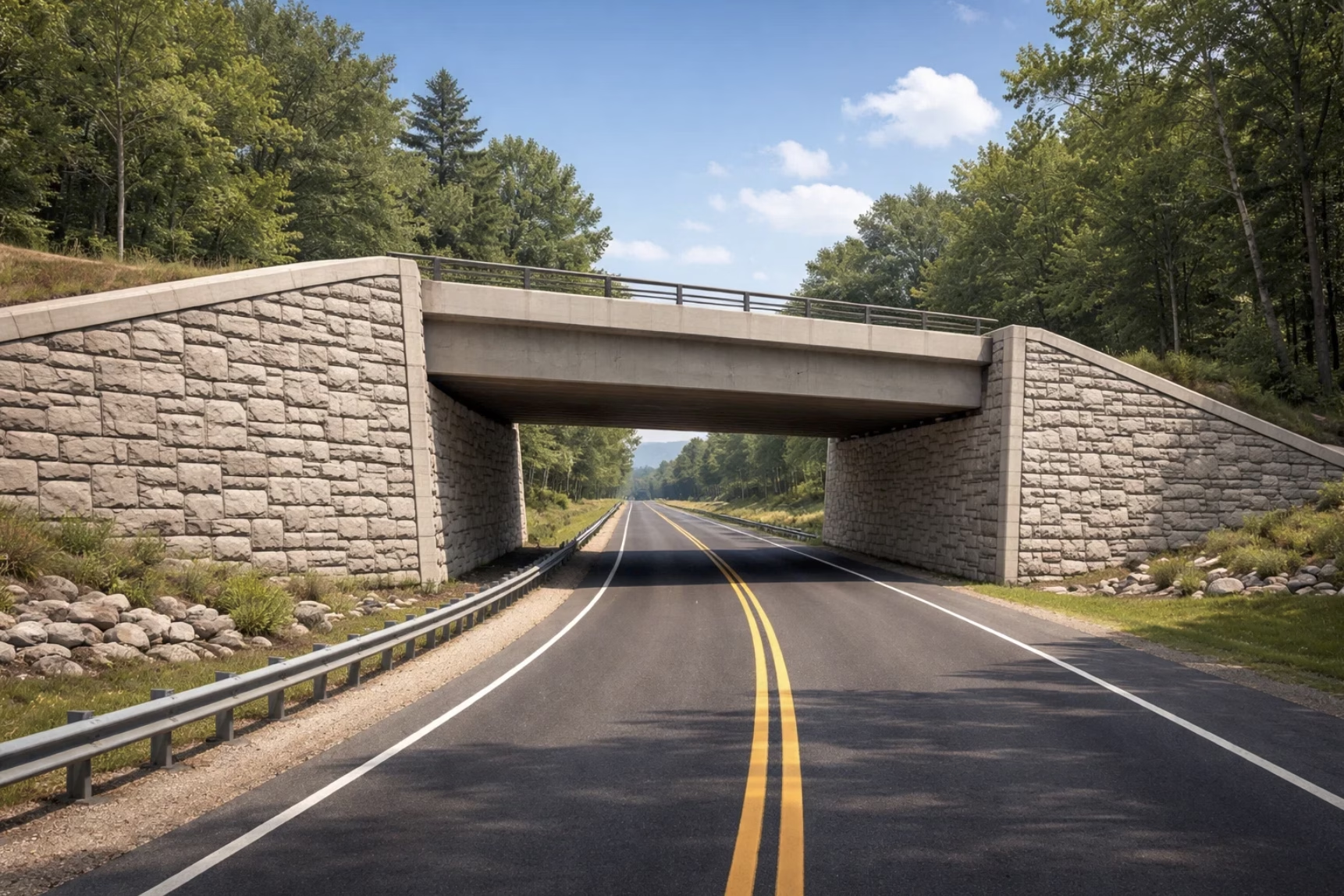
Formliners for bridge abutments and wingwalls provide a practical way to enhance the visual and functional performance of critical structural elements. These vertical and sloped concrete surfaces are often highly visible along roadways, making them ideal candidates for architectural finishes that improve aesthetics while maintaining structural integrity.
By integrating formliners directly into the forming process, contractors and engineers can deliver textured, patterned concrete surfaces that resist weathering, reduce maintenance, and contribute to cohesive infrastructure design.
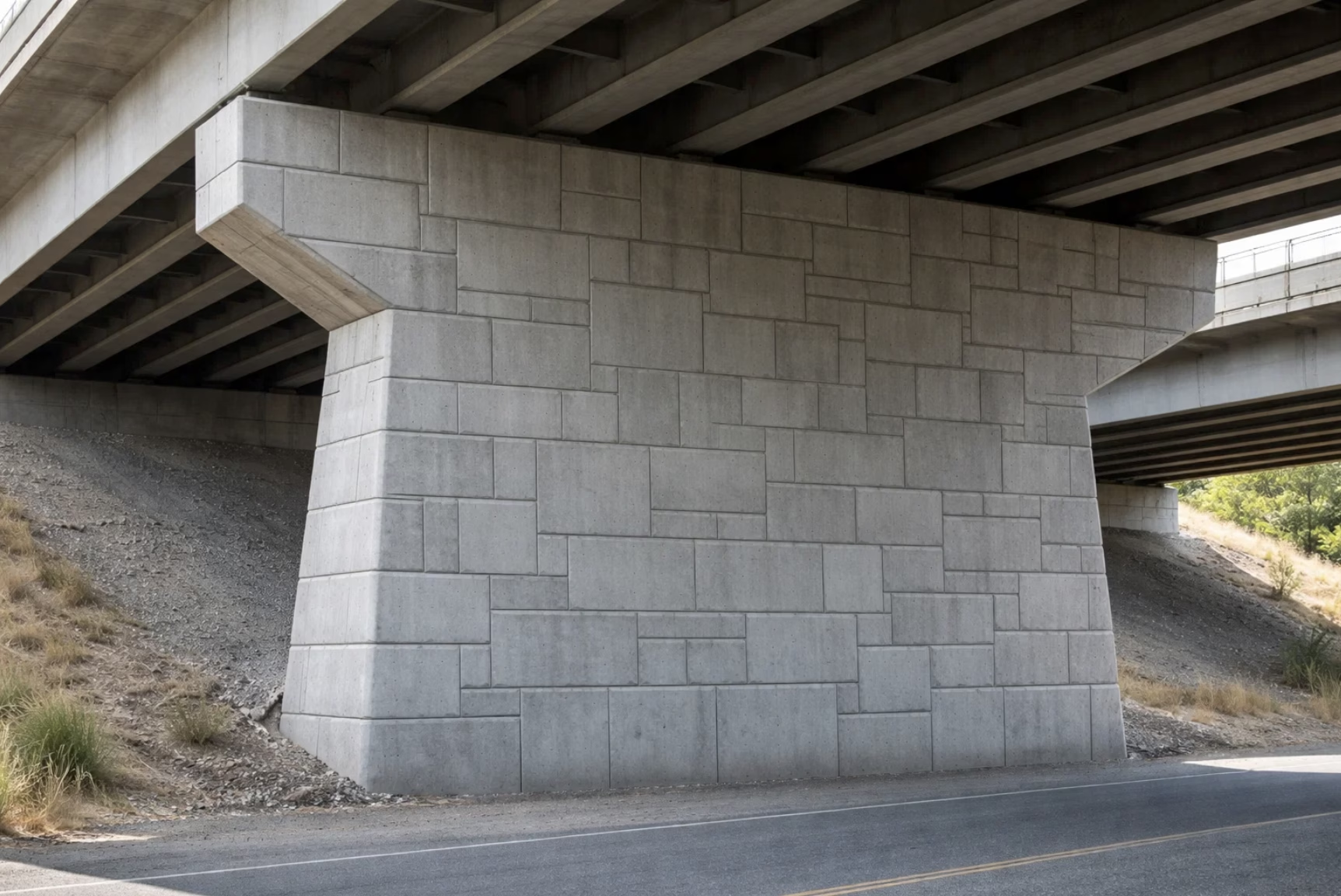
Bridge abutments and wingwalls serve as both structural supports and visual anchors within transportation systems. Without treatment, these surfaces can appear stark and unfinished.
Formliners allow these elements to:
For transportation agencies, this approach supports both engineering requirements and community-facing design standards.
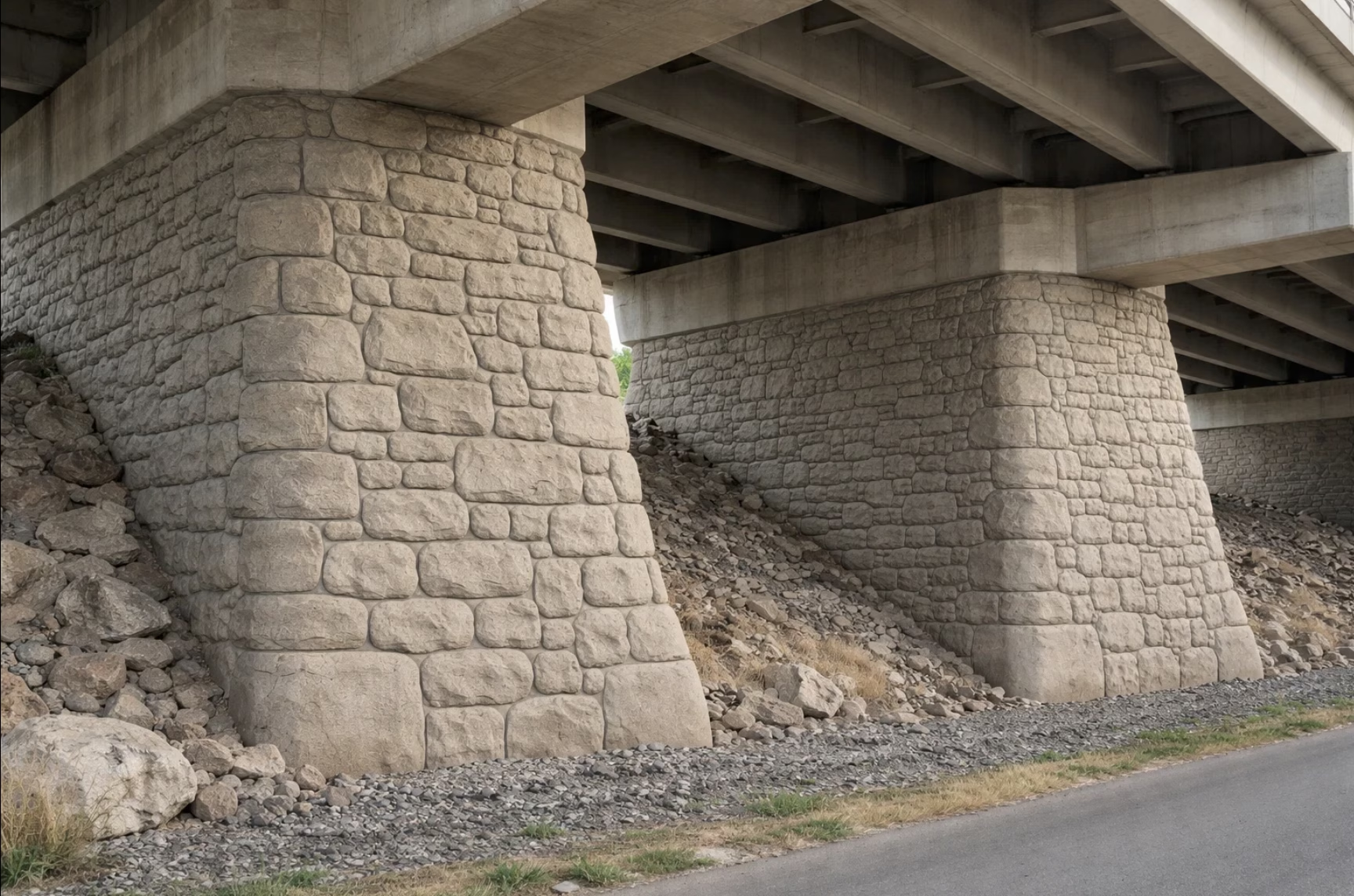
Unlike flat structural walls, abutments and wingwalls often sit at angles or transition between elevations, requiring finishes that remain consistent across complex geometry.
These benefits are especially valuable in high-visibility corridors and long-span bridge projects.
Maintains uniform appearance across large or angled surfaces.
Textured finishes help mask minor surface imperfections over time.
Reduces the need for repainting or surface treatments.
Irregular textures disrupt paint adhesion and visibility.
Achieves architectural finishes without added materials or installation phases.
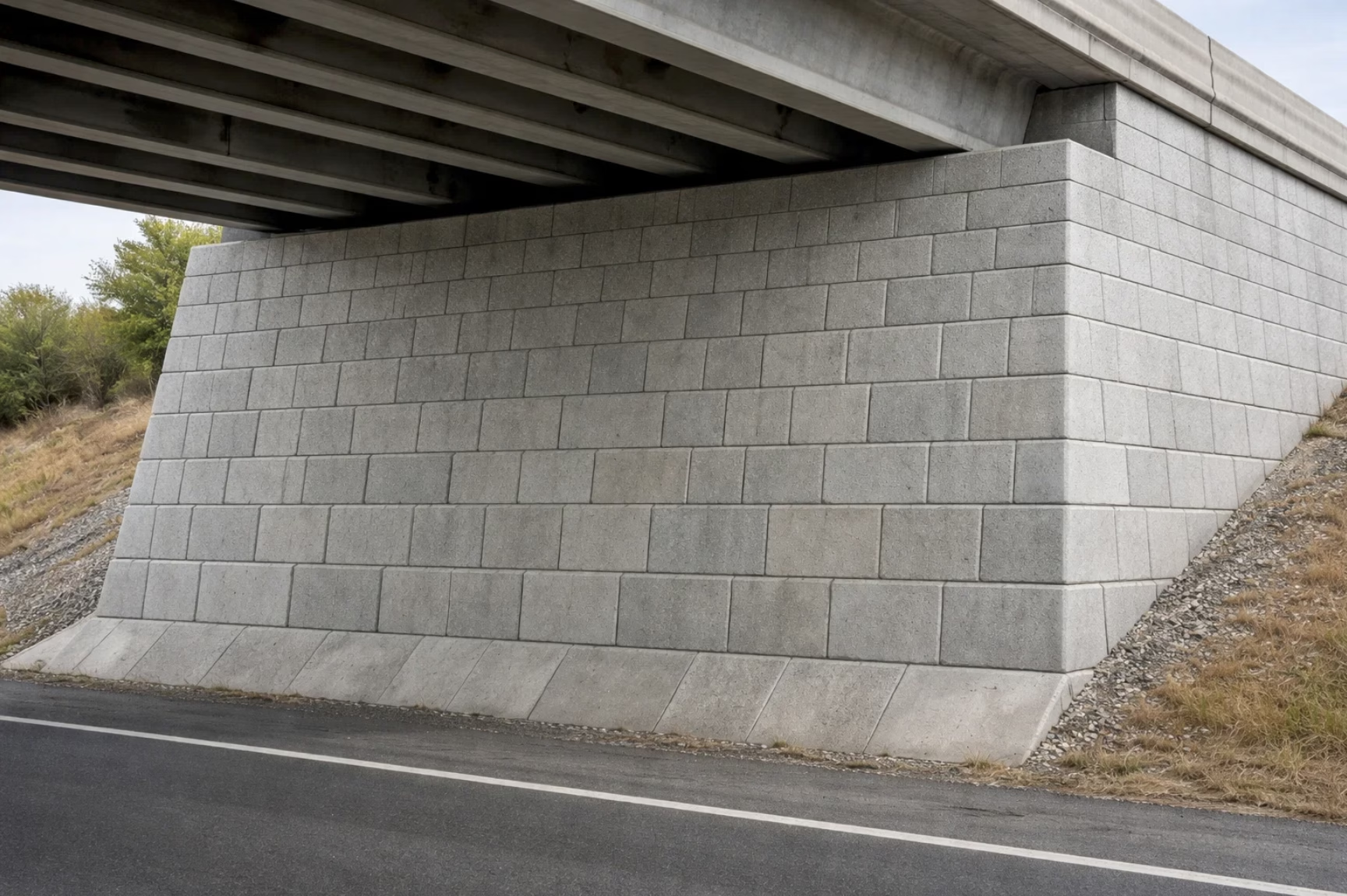
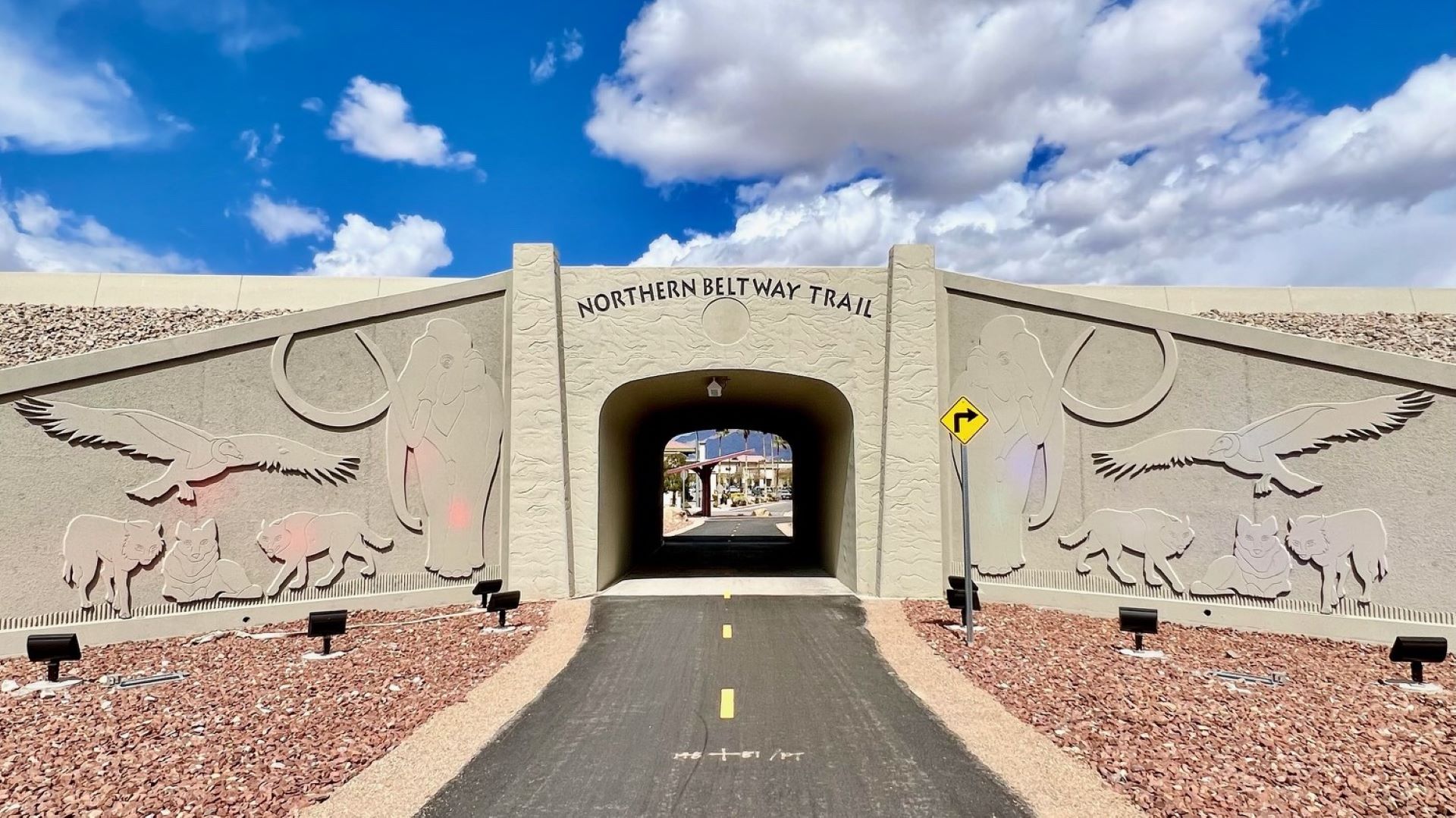
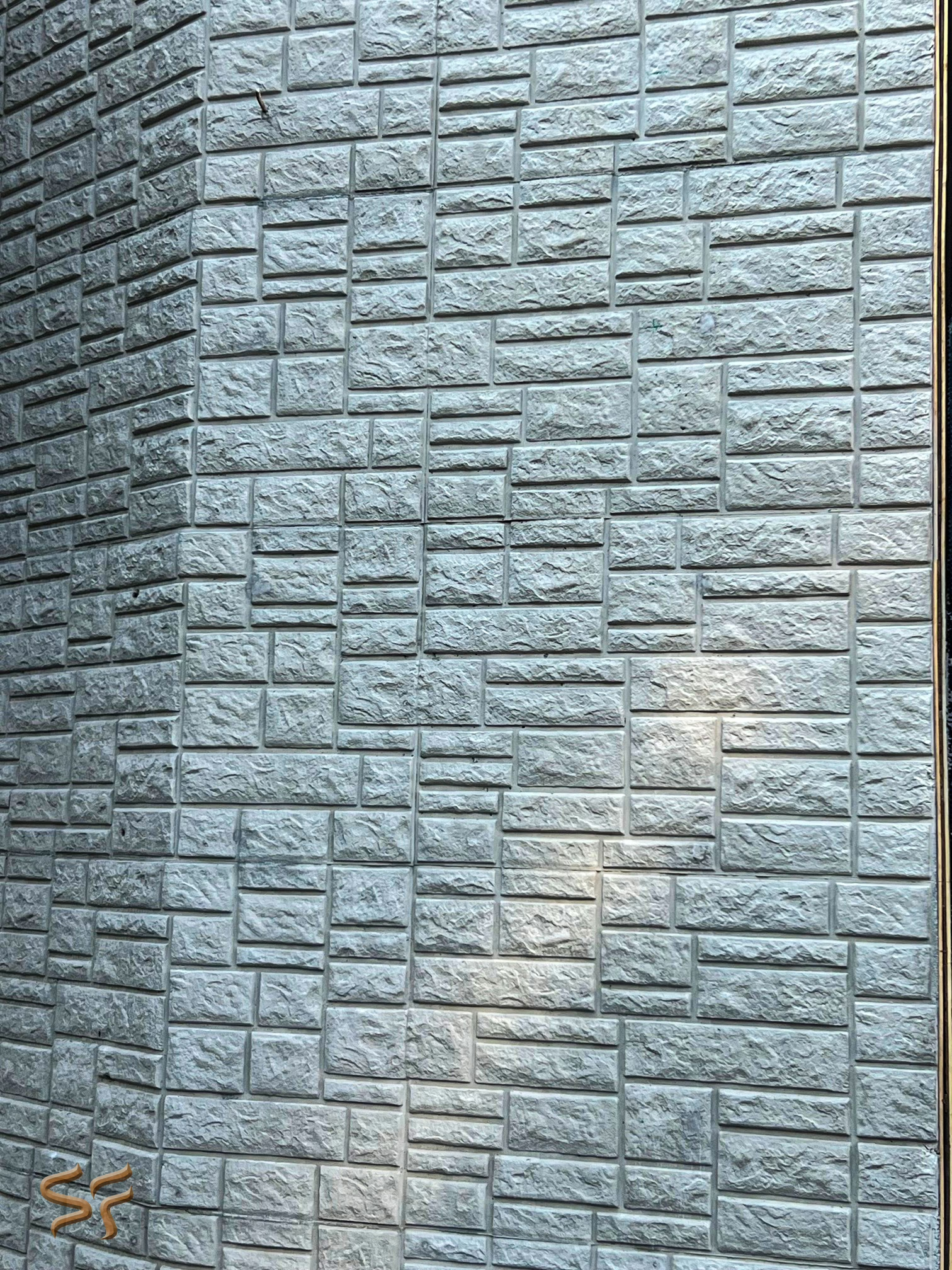
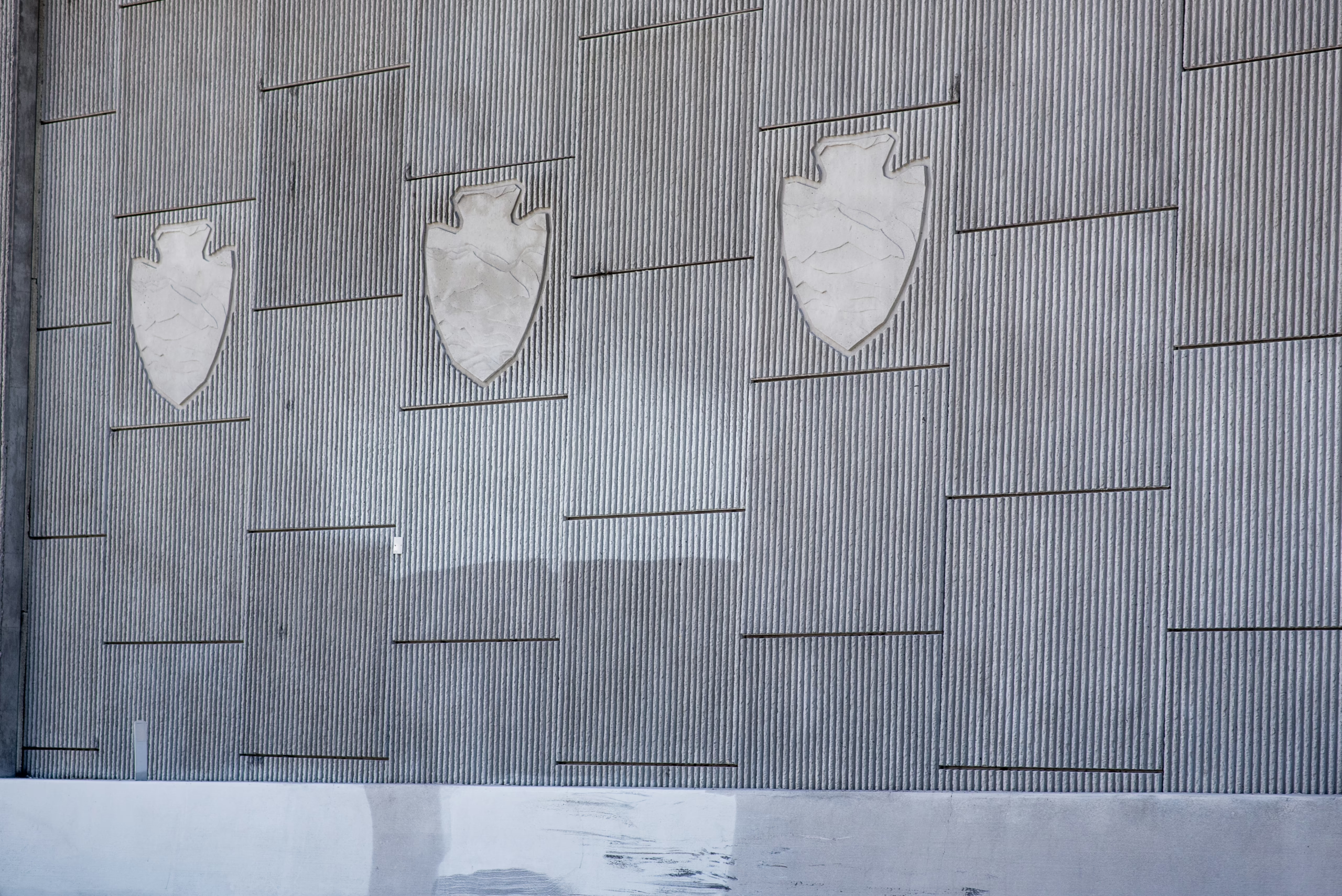
Formliners offer a wide range of finishes that can be tailored to match project goals, environmental context, or agency standards.
Bridge abutments and wingwalls are exposed to unique stresses, including load transfer, soil pressure, and environmental exposure. Formliner systems used in these applications must maintain performance without compromising structural outcomes.
High-performance materials such as elastomeric and urethane formliners retain detail accuracy while withstanding repeated use.
Rated for high compressive pour conditions across large-scale structural pours.
Maintains detail integrity under repeated vibration and compaction loads.
Resists moisture exposure from drainage, runoff, and de-icing chemicals.
Engineered for full sun exposure and extreme seasonal temperature fluctuations.
Formliners are incorporated into standard forming systems, allowing contractors to achieve architectural finishes without adding additional construction steps.
Secure panels to formwork using manufacturer-recommended fasteners and alignment guides.
Special attention given to seam alignment, particularly where wingwalls meet abutments or slopes change.
Coat liner surface with appropriate release agent to ensure clean stripping without surface damage.
Pour concrete and consolidate with internal vibration. Avoid direct contact with the liner surface.
After cure, strip forms carefully to reveal the finished texture. Inspect and store liner for reuse.
Special attention is given to seam alignment and transitions, particularly where wingwalls meet abutments or where slopes change.
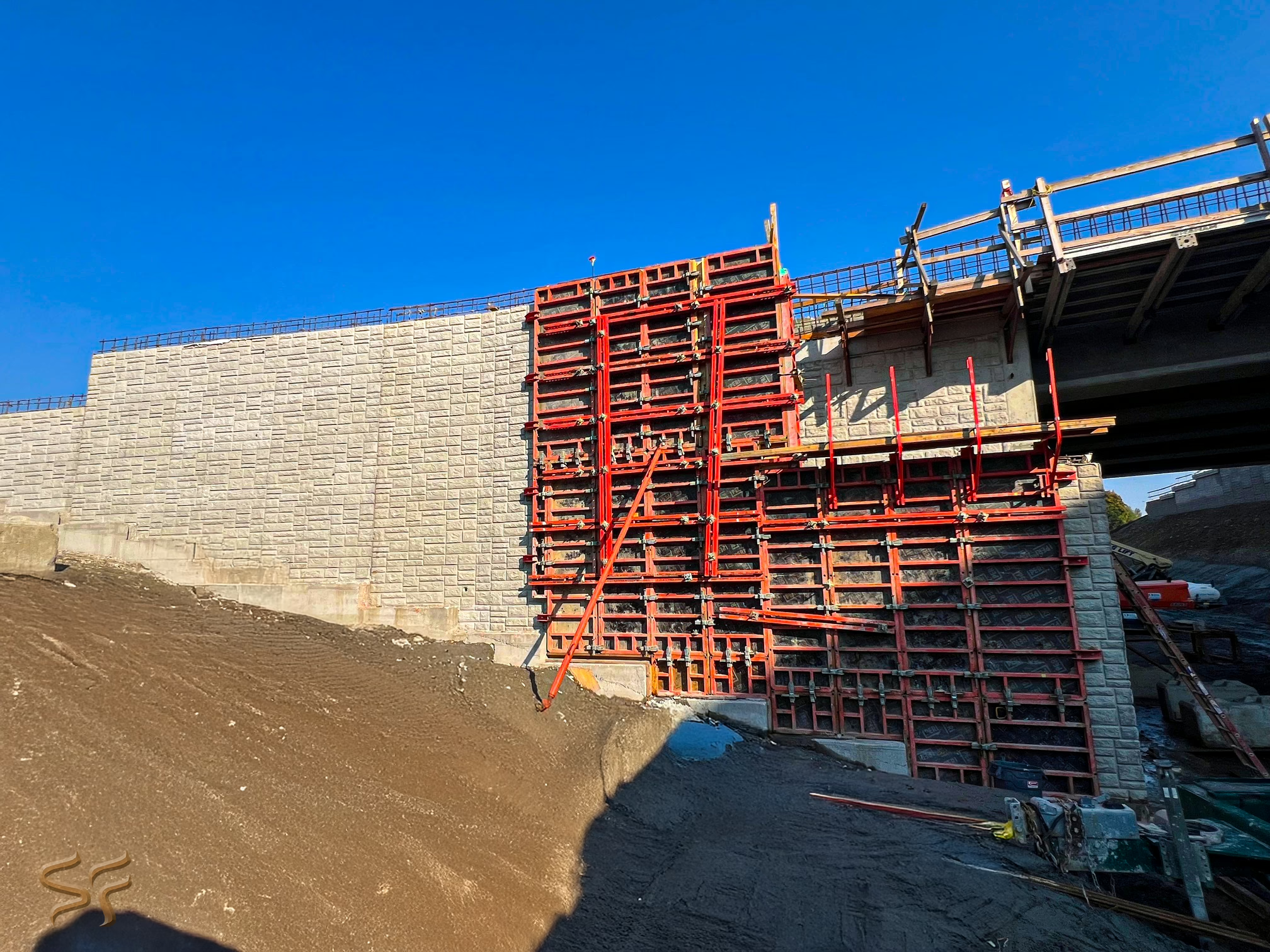
Investing in formliners at the construction stage delivers ongoing benefits throughout the lifecycle of the structure.
This makes formliners a strategic choice for agencies focused on both performance and long-term cost efficiency.
Reduced need for aesthetic upgrades or retrofits after construction.
Lower maintenance costs over time versus applied or painted finishes.
Improved resistance to staining and discoloration from environmental exposure.
Enhanced durability and visual quality compared to plain concrete finishes.
Bridge-related infrastructure must meet strict engineering and regulatory standards. Formliners used in these applications are selected to align with project requirements across all phases.
Early coordination between designers, engineers, and suppliers ensures that selected formliner systems meet all project criteria.
Explore related infrastructure applications:
They are used to create textured or patterned finishes on concrete surfaces that support bridges and connect to retaining walls.
Yes. Formliners can be applied to angled or sloped surfaces with proper installation and alignment.
No. They are designed to integrate into forming systems without impacting the structural integrity of the concrete.
Durability depends on material type and usage, but many systems can be reused multiple times while maintaining detail quality.
Yes. Custom designs can be developed to meet project-specific aesthetic or branding requirements.