
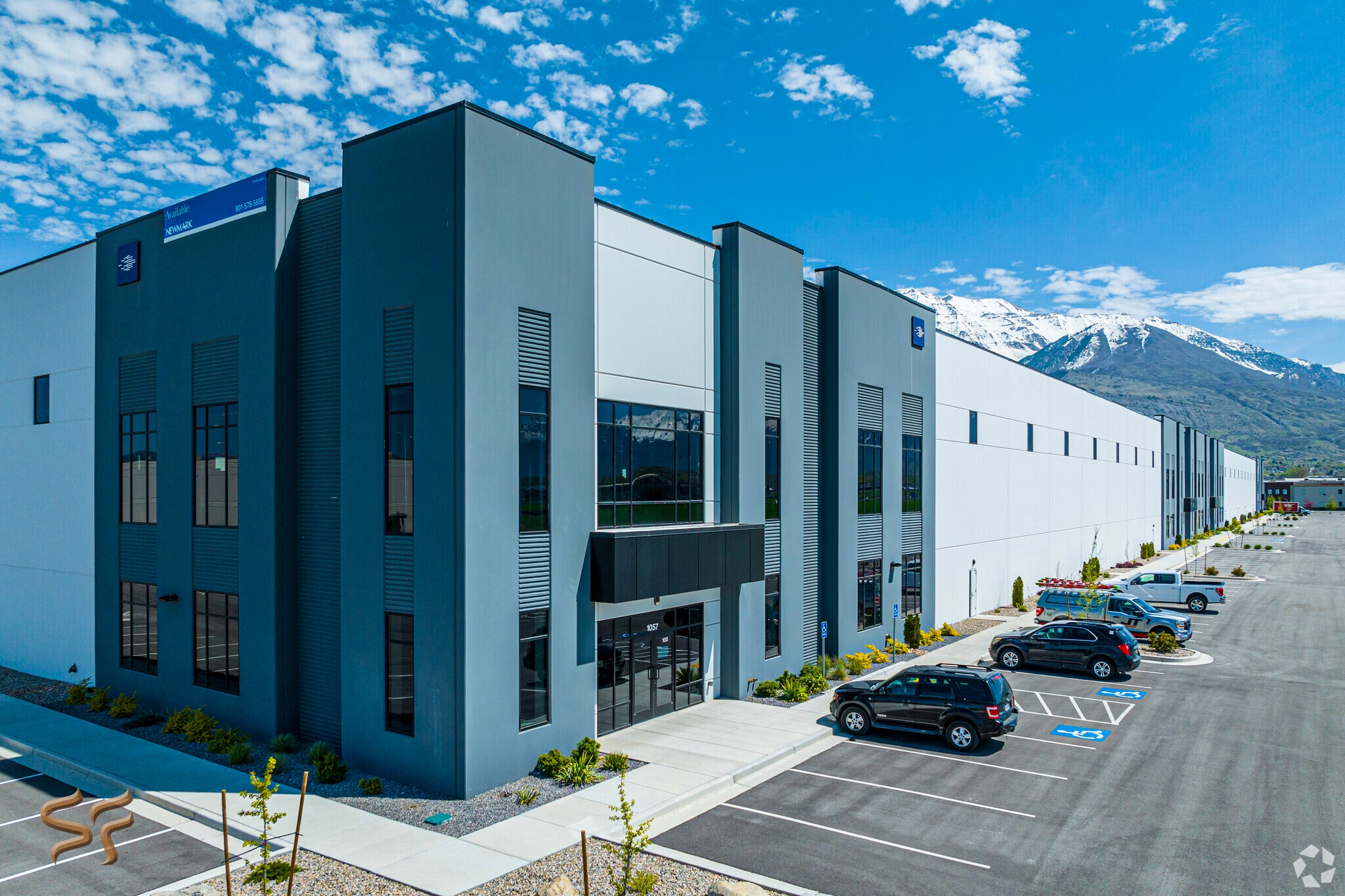
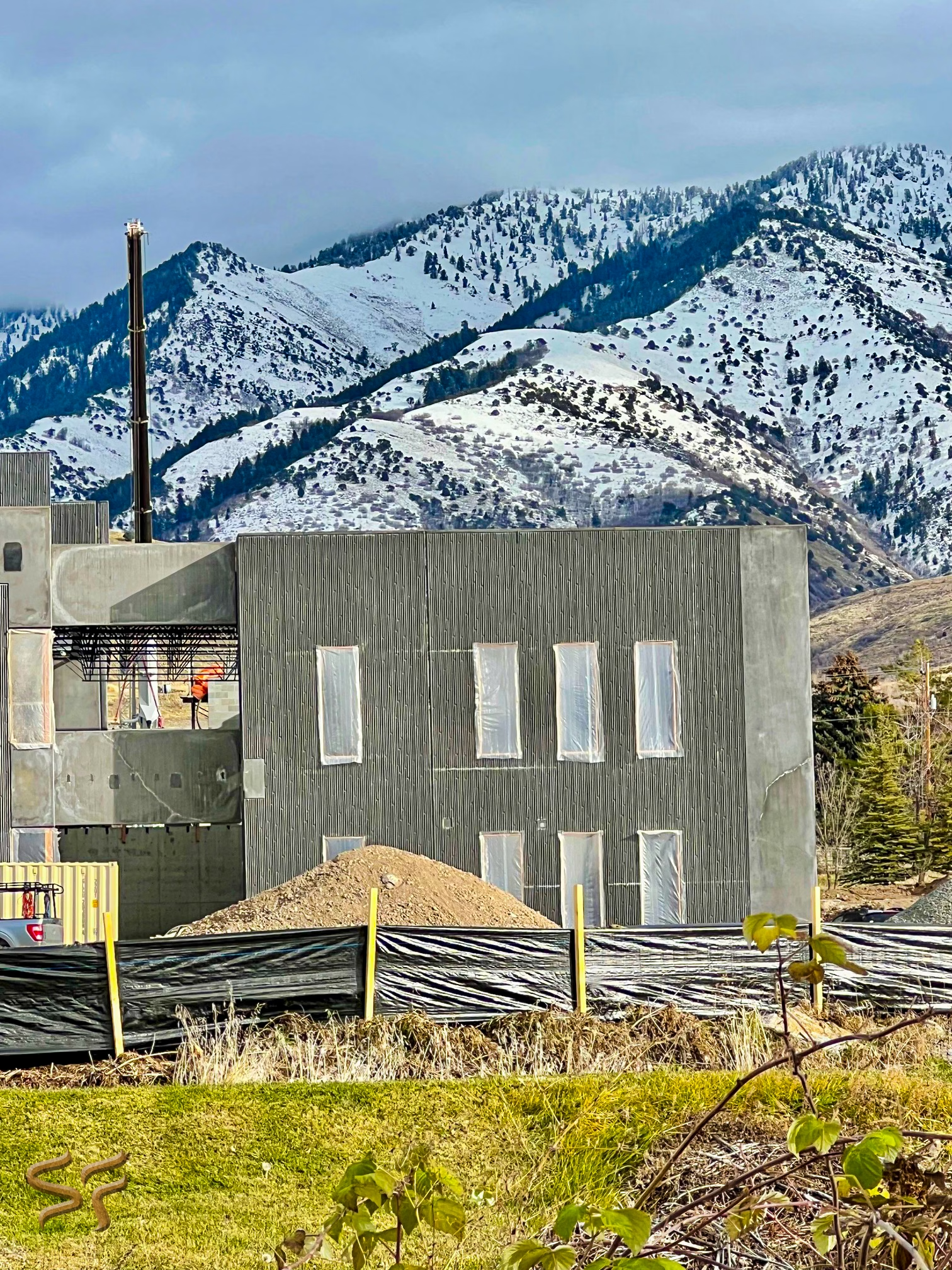
When air temperature drops below 40°F, concrete chemistry slows, protection requirements kick in, and every material in the formwork assembly starts behaving differently. Most cold-weather concreting guidance stops at mix design, admixtures, and heated enclosures. However, the formliner itself — its material composition, thermal behavior, and how it interacts with the concrete surface at low temperatures — rarely receives the attention it deserves. That gap produces surface defects, rejected panels, and stripping damage that no amount of heated mix water can fix after the fact.
What ACI 306R-16 Actually Requires
ACI 306R-16, Guide to Cold Weather Concreting, defines cold weather as any period when air temperature has fallen to — or is expected to fall below — 40°F (4°C) during the protection period. That threshold is more aggressive than many teams realize. Specifically, it does not require three consecutive days of low temperatures to trigger compliance obligations. A single forecasted dip below 40°F within 24 hours of a planned placement activates full ACI 306R-16 requirements.
The Five Objectives of ACI 306
Understanding what ACI 306 protects against clarifies why formliner decisions matter as much as mix decisions. Accordingly, the standard establishes five specific objectives for cold-weather concreting practice:
- Prevent damage to concrete from freezing at early ages — before hydration progresses far enough to resist ice expansion
- Ensure the concrete develops adequate strength for safe removal of forms and for service loads
- Maintain curing conditions that support normal strength development through the full protection period
- Limit rapid temperature changes — particularly at the transition between protected and unprotected conditions
- Provide protection consistent with the intended serviceability and durability of the structure
Each of those objectives connects directly to formwork and formliner decisions. Furthermore, contractors who treat ACI 306 compliance purely as a mix design issue — while ignoring the thermal role of the forming assembly — routinely satisfy the standard on paper while producing surfaces that fail inspection in practice.
The Critical 500 psi Threshold
ACI 306R-16 establishes that fresh concrete reaching a minimum compressive strength of 500 psi (3.5 MPa) will not suffer damage from a single freeze-thaw cycle. Consequently, that 500 psi mark defines the boundary between concrete that requires active protection and concrete that can survive frost exposure without irreversible strength loss.
Most concrete maintained at 50°F reaches 500 psi approximately two days after placement. However, every 20°F drop in concrete temperature roughly doubles the setting time — meaning a pour held at 30°F takes approximately four times longer to hit that threshold than one held at 50°F. Additionally, the formwork assembly determines whether the concrete temperature stays within the protected range long enough for hydration to progress at all.
Think of ACI 306R as the guide — recommendations, explanations, and technical background. ACI 306.1 is the specification — the enforceable document cited by commercial, bridge, and government project contracts. For residential work without a formal specification, follow ACI 306R. DOT, commercial, and infrastructure project specifications, however, will typically cite ACI 306.1 as a mandatory requirement. An updated edition aligned with the 306R-16 guide is expected in 2026.
Formwork as a Heat Sink: Why the Liner Matters
Fresh concrete generates heat through the exothermic hydration reaction — the chemical process by which cement compounds react with water to form calcium silicate hydrate crystals. In warm weather, that heat of hydration is an asset. Cold weather, however, reverses that equation: the same exothermic heat becomes the primary thermal resource standing between the concrete and damaging frost. Whether the formwork assembly retains or dissipates that resource determines whether the pour succeeds.
Steel formwork transfers heat out of the concrete rapidly. Wood formwork, by contrast, transfers heat more slowly and provides meaningful insulation relative to steel. Beyond those two materials, the formliner itself — positioned directly between the concrete face and the structural form — adds an additional thermal layer whose contribution varies significantly by material type and formulation.
Thermal Conductivity Across the Formwork Assembly
Thermal conductivity — measured in W/m·K — describes how readily a material transfers heat. Specifically, lower values indicate better insulating performance. As the table below shows, the materials in a typical forming assembly vary substantially in this regard:
| Material | Thermal Conductivity (W/m·K) | Cold-Weather Role |
|---|---|---|
| Steel formwork | ~50 W/m·K | Aggressive heat sink — requires external insulation blankets in all cold-weather pours |
| Plywood backing (¾") | ~0.12–0.17 W/m·K | Moderate insulator — provides meaningful protection in moderately cold conditions |
| Rigid polyurethane foam | ~0.018–0.024 W/m·K | Excellent insulator — the most thermally efficient material commonly used in forming assemblies |
| Solid polyurethane elastomer | ~0.17–0.25 W/m·K | Comparable to plywood — adds modest insulation over steel, and crucially retains elastomeric flexibility for clean cold-weather stripping |
| Rigid plastic (ABS/PVC) | ~0.17–0.25 W/m·K | Thermally comparable to plywood — however, rigid plastics stiffen dramatically in cold and approach brittle failure, creating real stripping risk |
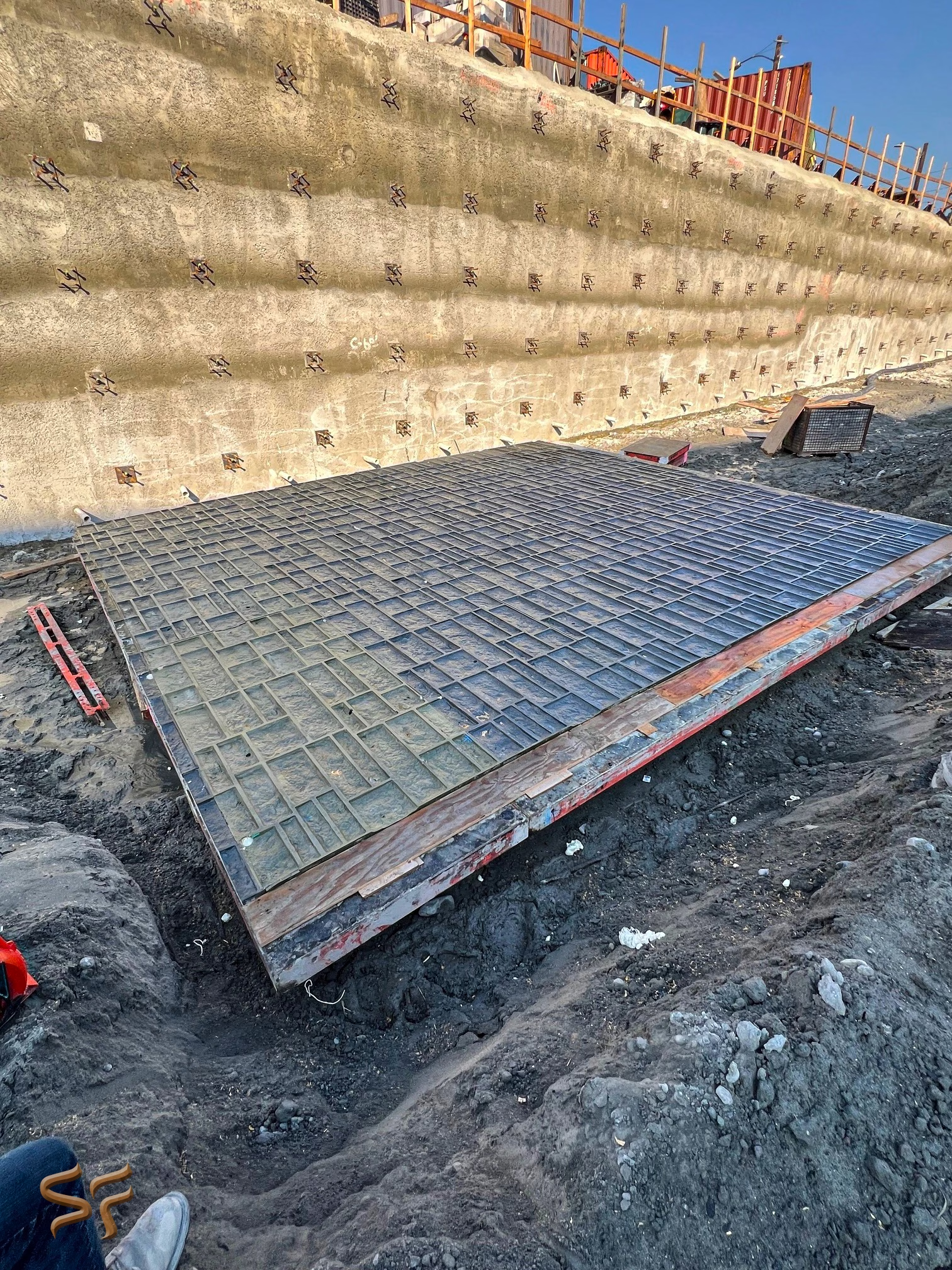
Consider the practical implication: an ElastoSpec urethane formliner bonded to a ¾" plywood backing produces a combined thermal assembly that performs meaningfully better than a steel form alone — even before supplemental insulation is added. On a pour near the 40°F threshold, moreover, every degree of retained concrete surface temperature affects how quickly the concrete reaches the 500 psi protection milestone. That difference is not academic — it directly affects schedule, cost, and surface quality.
Research comparing conventional steel gang forms to urethane-insulated gang forms shows that the insulated assembly reduced external heating energy consumption significantly by trapping the concrete's own heat of hydration. Adding rigid urethane board (thermal conductivity ~0.018 W/m·K) to the outside of standard formwork dramatically reduced surface heat loss. Consequently, the formliner material and the external insulation layer work together — not independently.
Liner Material Choice in Cold Weather: Elastomeric vs. Plastic
Beyond thermal performance, cold temperatures affect the physical behavior of formliner materials in ways that directly determine surface quality and stripping outcomes. Not all liners respond to cold the same way — and the differences become consequential once temperatures fall below 40°F.
The Problem with Cold Plastic
- Rigid plastics undergo glass transition effects at low temperatures, stiffening significantly below 40°F and becoming brittle at sustained sub-freezing temperatures
- Reduced flexibility makes conforming to complex form geometry more difficult, increasing the risk of gaps and cold joints at liner edges
- Brittle plastic strips less cleanly from cured concrete — particularly on deep-relief patterns where the liner must flex to release from undercuts
- Differential thermal contraction between the plastic liner and the concrete surface can introduce minor surface defects that become visible in the finished panel
- Single-use plastic liners discarded after cold-weather pours offer no reuse credit to offset their cost premium under protected conditions
Why Urethane Performs Better
- Polyurethane elastomers retain flexibility across a wide temperature range — ElastoSpec urethane maintains workable elasticity from sub-freezing temperatures through summer heat without degrading
- Elastomeric flexibility ensures the liner conforms correctly to formwork geometry even in cold conditions, maintaining tight seams and eliminating cold joint risk at liner edges
- Clean stripping at cold temperatures — the elastomeric face material flexes and releases from cured concrete without cracking, tearing, or pulling pattern detail
- Plywood backing maintains dimensional stability in cold conditions and provides thermally superior performance versus steel-only formwork
- A 25+ reuse rating means the thermal investment in each pour cycle delivers value across the full project panel count — not just once
The Glass Transition Risk with Plastics
Standard rigid plastics undergo a glass transition at low temperatures — a shift from flexible to brittle behavior as polymer chain mobility decreases. For many common formliner plastics, this transition occurs within the temperature range encountered on typical cold-weather job sites. Furthermore, the brittleness temperature for rigid plastics exposed to impact — tested per ASTM D746 — can fall squarely within the range of common winter conditions in northern climates.
Polyurethane elastomers, by contrast, have glass transition temperatures that fall far below the ranges encountered in concrete construction — roughly -20°F to +20°F depending on formulation. In practice, this means a properly formulated urethane liner remains flexible and impact-resistant across all conditions where cold-weather concreting is practically feasible.
Stripping a rigid plastic formliner in below-freezing conditions while the liner is in a brittle state creates serious risk of tearing pattern detail from the concrete surface — particularly on fine-relief textures and deep undercut patterns. Replacing a damaged liner mid-project during a cold-weather pour sequence compounds both cost and schedule impact significantly. Specify elastomeric material before the problem occurs, not after.
Insulation Strategy: What to Add and Where
ACI 306R-16 permits several methods for maintaining concrete temperature during the protection period: insulated blankets, external heat sources, heated enclosures, insulated formwork, or combinations of these. For architectural concrete with formliners, however, the method matters considerably — because some approaches interfere with the liner assembly in ways that directly affect surface quality.
Insulating Blankets on the Back of Formwork
The most straightforward approach applies insulating blankets or rigid foam board to the outside (non-concrete-facing) surface of the structural form. Applied to the exterior of a plywood-backed formliner assembly, this method addresses the primary heat loss pathway without touching the liner or the concrete face. Rigid polyurethane foam board — thermal conductivity approximately 0.018 W/m·K — achieves the highest insulating efficiency per inch of any common construction insulation material and represents the preferred exterior insulation choice.
Heated Enclosures: What Changes for Formliner Work
Heated enclosures — tarped structures with propane or electric heaters — provide the most reliable protection in extreme cold. They do, however, introduce additional considerations for formliner pours. Unvented propane heaters produce carbon dioxide, which causes carbonation of the concrete surface in contact with the formliner. Surface carbonation produces a soft, chalky finish that neither holds pattern detail well nor performs as expected under applied coatings.
Consequently, vented heating is strongly preferred for architectural concrete in heated enclosures. Maintaining adequate air circulation additionally prevents localized hot spots that create differential thermal stress between the concrete surface and the protected interior.
Stripping Timing in Cold Pours: The Decision That Determines Everything
Form removal timing in cold-weather concreting carries higher stakes than in warm-weather work, for two distinct reasons. First, the concrete takes longer to reach the 500 psi protection threshold — and stripping before that threshold exposes the surface to potentially damaging frost. Second, the temperature differential between the protected concrete surface and the cold exposed air creates thermal stress that can crack an otherwise sound pour.
ACI 306 on Stripping Temperature Differentials
ACI 306R-16 Section 7.6 addresses the allowable temperature differential during stripping. Specifically, the standard recommends that concrete surface temperature not drop faster than 5°F per hour when protection is removed. Moreover, it provides guidance on the maximum permissible difference between the concrete surface temperature and the ambient air temperature — a calculation governed by wall thickness and shape restraint factor.
In practice, form removal in cold weather is a multi-hour process, not a single operation. Lift one edge of the form to allow gradual thermal equalization. Wait for temperatures to stabilize at the exposed surface, then strip progressively rather than removing the entire form assembly at once.
| Section Thickness | Min. Placement Temp (ACI 306) | Protection Period at 50°F | Key Risk |
|---|---|---|---|
| Thin (< 12") | 55°F at discharge | ~2 days to 500 psi | Rapid heat loss through large surface-to-volume ratio; most vulnerable to thermal shock at stripping |
| Moderate (12–36") | 50°F at discharge | 2–3 days to 500 psi | Surface-to-interior temperature differential — exterior reaches 500 psi later than interior |
| Large (36–72") | 45°F at discharge | 3–4 days to 500 psi | Higher interior heat of hydration; risk is surface cracking from differential cooling if forms strip too early |
How Liner Material Affects Stripping Risk
The material behavior of the formliner at cold temperatures directly affects stripping risk in ways that go beyond simple brittleness. As noted earlier, rigid plastic liners stiffen at low temperatures. Consequently, that stiffening increases the force required to strip the liner from the concrete surface — particularly on patterns with deep relief or complex undercuts.
Higher stripping forces in cold conditions simultaneously raise the risk of two failure modes: pulling bond from the concrete surface on fine-detail textures, and cracking or tearing the liner itself. Elastomeric urethane formliners address both failure modes because their flexibility is maintained at cold temperatures. As a result, the liner peels cleanly without the force amplification that rigid plastics experience.
ACI 306 recommends a gradual protection removal sequence. Do not pull the entire forming assembly at once in cold conditions. Instead, partially loosen forms and allow the concrete surface to begin thermal equalization. Pause for 30 minutes. Then remove half the form and monitor the surface temperature closely.
After another 30 minutes, complete the full strip. Immediately apply insulating blankets to the exposed surface to prevent thermal shock cracking during the transition from protected to unprotected conditions. The complete removal sequence for a protected cold-weather pour should take 2–3 hours minimum — not minutes.
Cold-Pour Formliner Checklist: Before, During, and After
Use this sequence as a practical field reference for any formliner pour where air temperature is at or below 40°F — or forecast to fall below 40°F during the protection period.
Steps 1–3: Before the Pour
Confirm the specified formliner is elastomeric urethane, not rigid plastic, before the pour begins. Additionally, inspect the liner for any pre-existing damage — cold temperatures make hairline cracks in plastic liners invisible until stripping reveals the defect in the concrete surface. Replace any liner with visible edge cracking or brittleness before assembling the form.
ACI 306R-16 requires removal of all ice, snow, and standing water from formwork, reinforcement, and embedded items before concrete placement. For formliner assemblies specifically, check the face of the liner thoroughly — any ice film between the liner and the concrete prevents full bond and produces surface voids or delamination in the finished panel.
Attach insulating blankets or rigid foam board to the exterior of the form before placement. Then target a combined formwork assembly that retains sufficient heat of hydration to maintain the concrete surface above the minimum specified temperature — typically 50°F for thin sections. Finally, verify that insulation coverage has no gaps at corners or form edges, where heat loss is greatest.
Steps 4–6: During and After the Pour
Place temperature sensors at the concrete surface — specifically at the liner-concrete interface — not just in the air or in the core of the pour. Critically, ACI 306R-16 states that temperatures during the protection period are measured at the concrete surface, whether that surface contacts formwork, insulation, or air. Compliance is governed by surface temperature; ambient air temperature alone is not sufficient.
Use in-place strength testing — maturity meters, pull-out tests, or break cylinders stored under the same curing conditions as the pour — to verify the concrete has reached 500 psi before initiating form removal. Remember that cold temperatures roughly double setting time for every 20°F drop. Therefore, schedule expectations from warm-weather pours simply do not apply here.
Follow the gradual stripping sequence described in ACI 306R-16 Section 7.6. First, partially loosen forms and allow thermal equalization at the surface. Then strip progressively, targeting no more than 5°F surface temperature drop per hour. Immediately afterward, apply insulating blankets to the stripped surface to prevent thermal shock cracking during the transition from protected to exposed conditions.
How ElastoSpec Is Engineered for Cold-Weather Performance
ElastoSpec urethane formliners are manufactured from polyurethane compounds that maintain flexible, elastic behavior across the full temperature range encountered in North American concrete construction. The same material properties that make elastomeric formliners the standard for DOT infrastructure work — dimensional stability under high pour pressures, pattern fidelity across 25+ uses, clean stripping from cured concrete — also make them the correct choice for cold-weather pours where rigid plastic formliners create measurable thermal and mechanical risk.
ElastoSpec Cold-Weather Performance Summary
With manufacturing facilities in both Santa Ana, CA and St. Clair, MO, Spec Formliners supplies cold-weather formliner programs across the continental United States and Canada. For most of those projects, cold-weather concreting is a seasonal reality — and therefore, the specification must account for it from day one, not with an emergency blanket the morning of the pour.
Pouring in Cold Weather? Let's Talk Spec First.
Our team reviews cold-weather formliner specifications, recommends the right material for your conditions, and helps you build a protection plan before the pour — not after the surface fails inspection.