Learn How Form Liners Can Transform Freeway Underpasses
Formliners are increasingly specified in highway and transportation projects because they solve multiple challenges at once — enhancing appearance, reducing maintenance, and improving public perception of infrastructure.
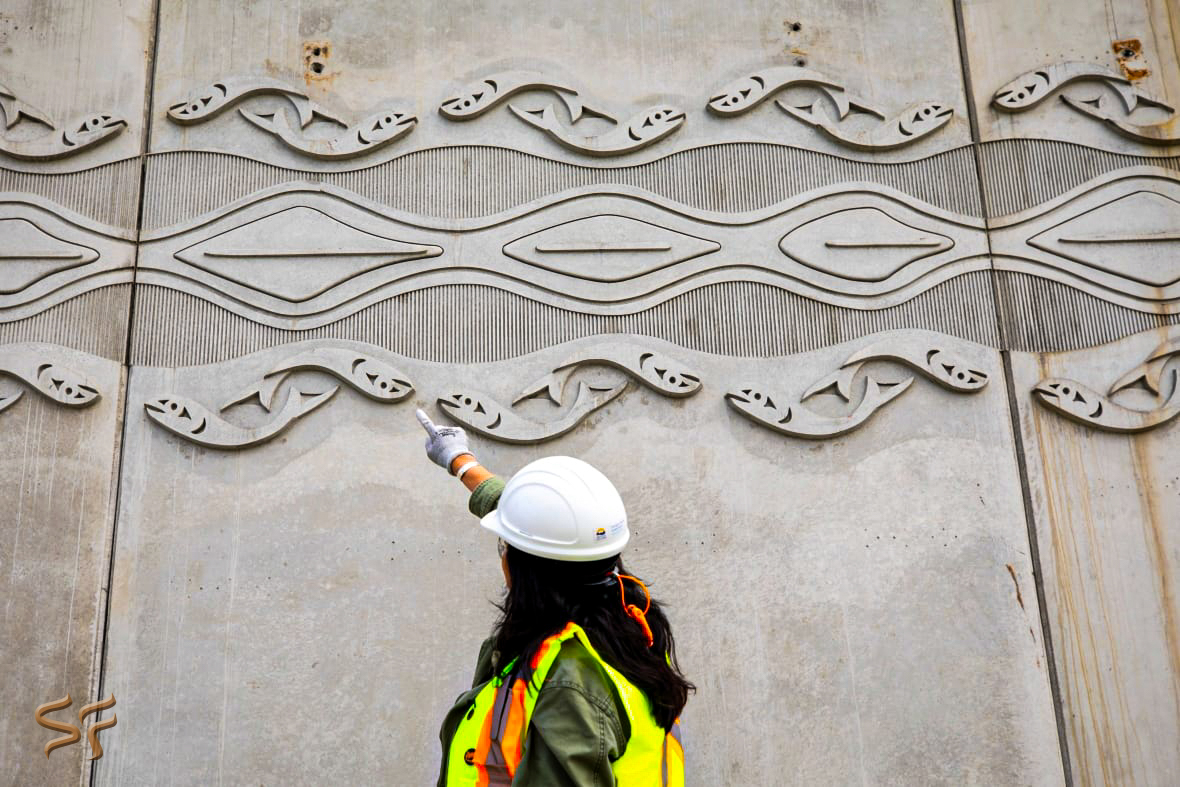
Transform plain concrete into stone, brick, wood, or custom textures that elevate any environment.
Textured surfaces make graffiti less visible and significantly easier to remove.
Designed to withstand weather, vibration, and harsh environmental exposure for decades.
Eliminates need for additional cladding or surface treatments — one step, lasting results.
Infrastructure that matches surrounding architecture or natural environments builds civic pride.
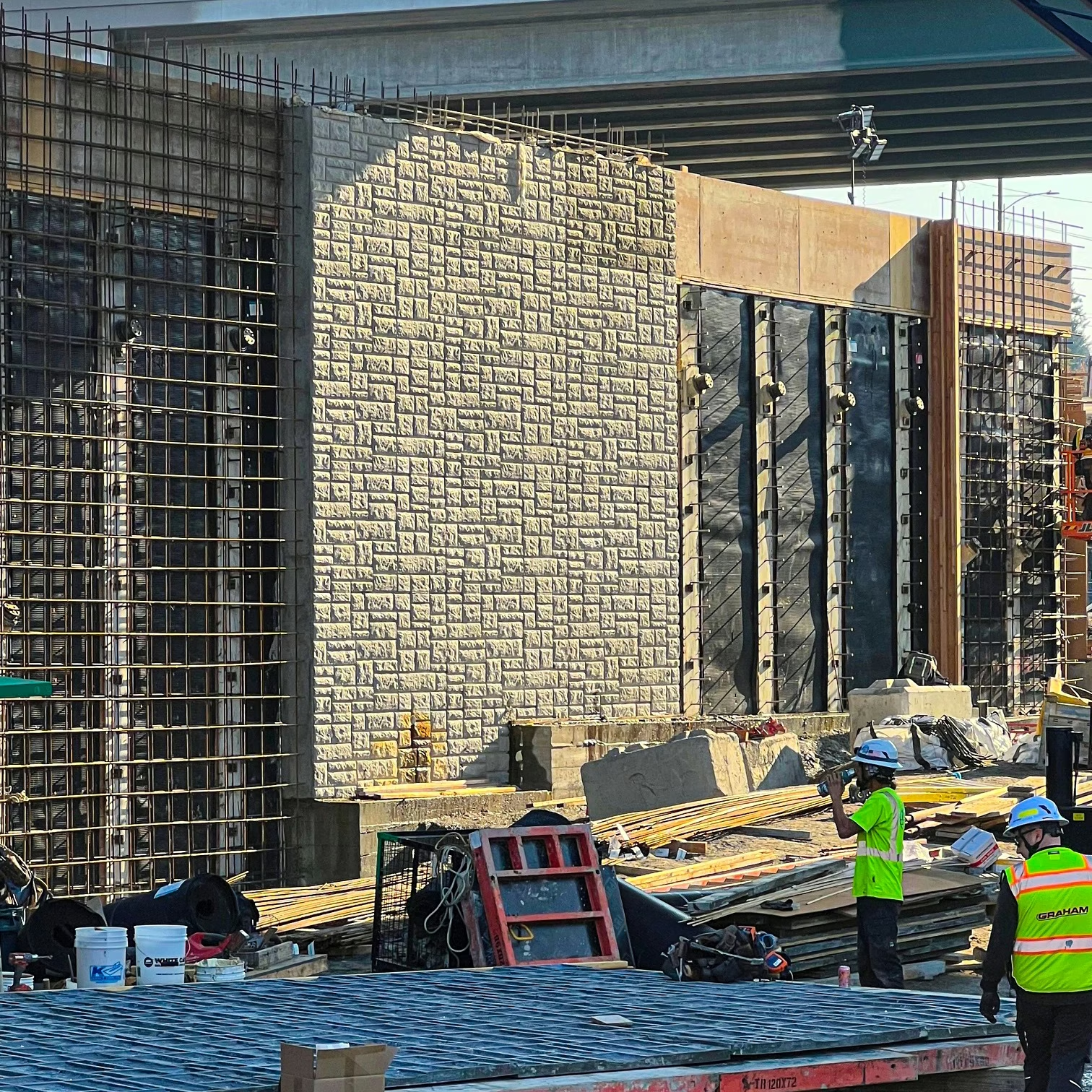
For large vertical surfaces, formliners create a finished, intentional look at full infrastructure scale.
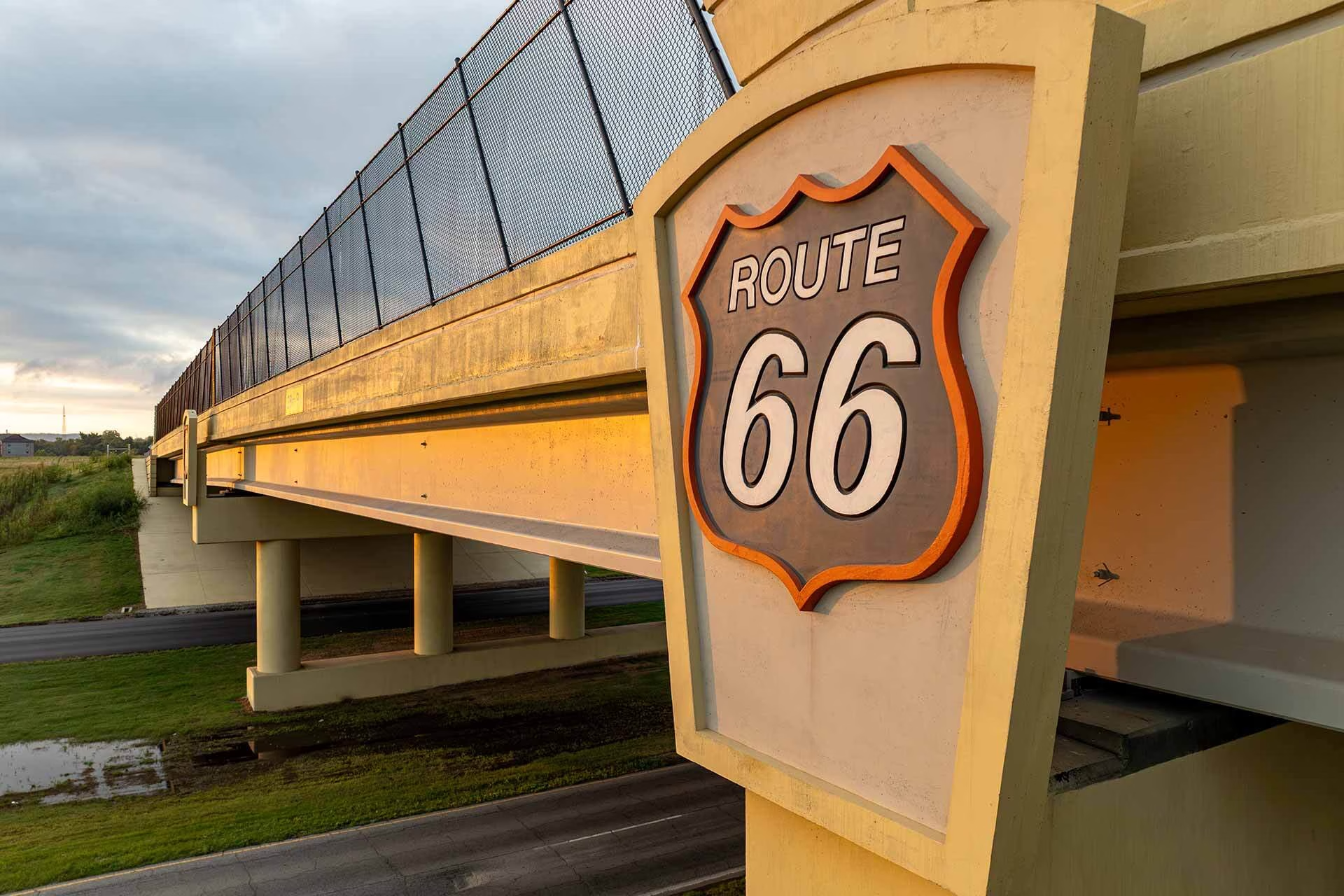
Form liners are used across multiple structural elements within freeway systems, from bridge supports to pedestrian tunnels.
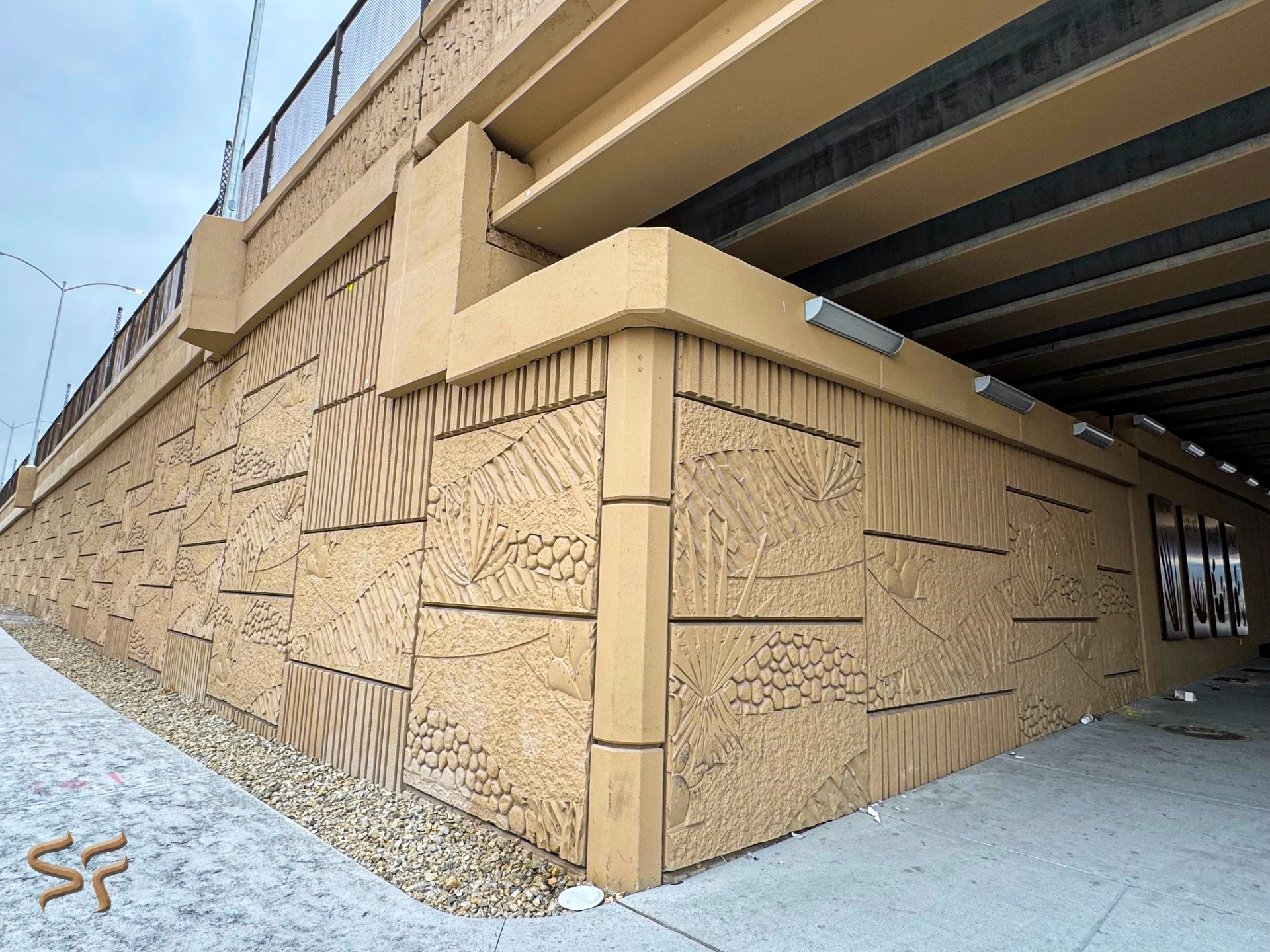
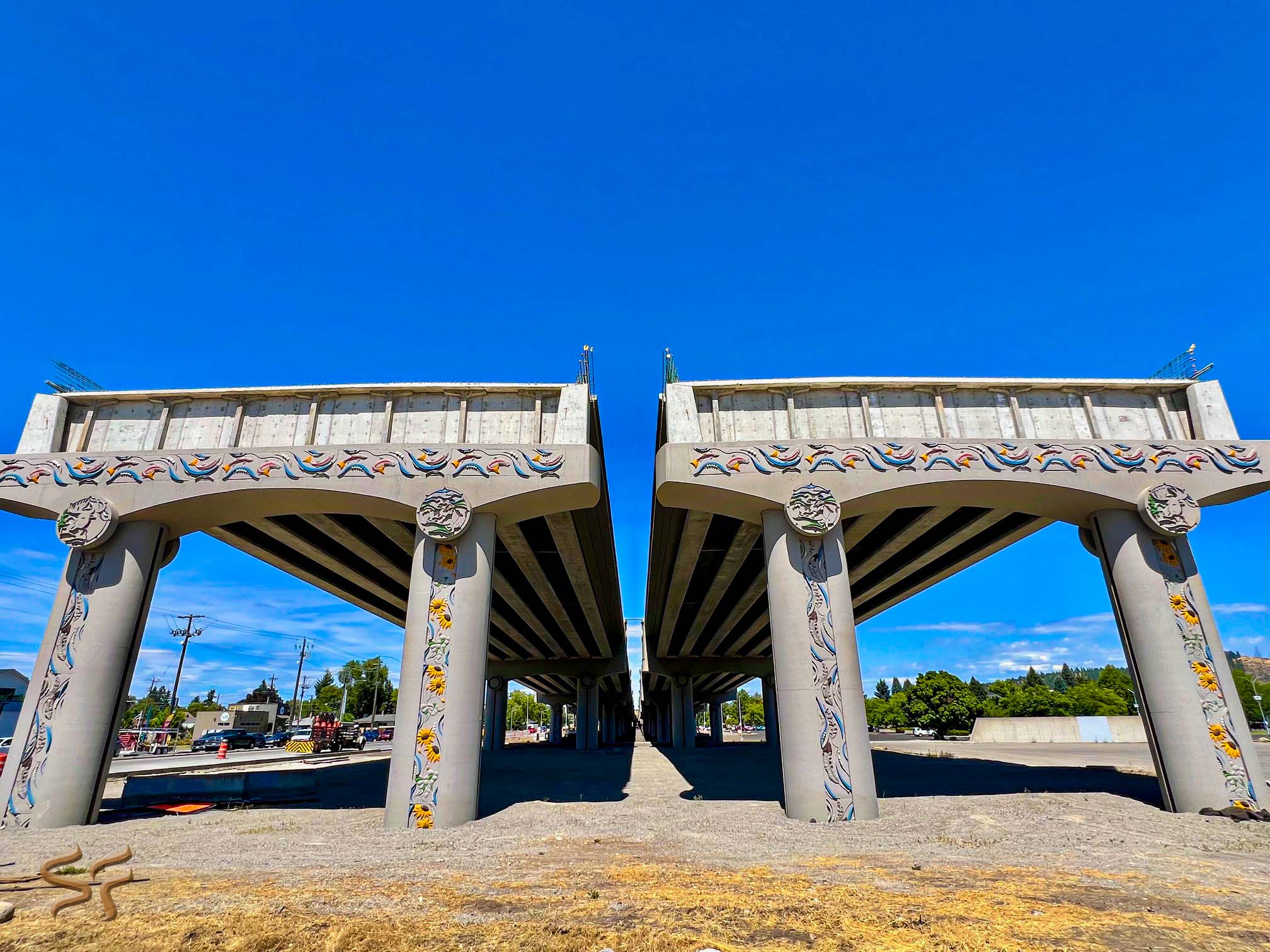
Add dimension and visual appeal to vertical support structures with repeating or custom textures that endure heavy load environments.
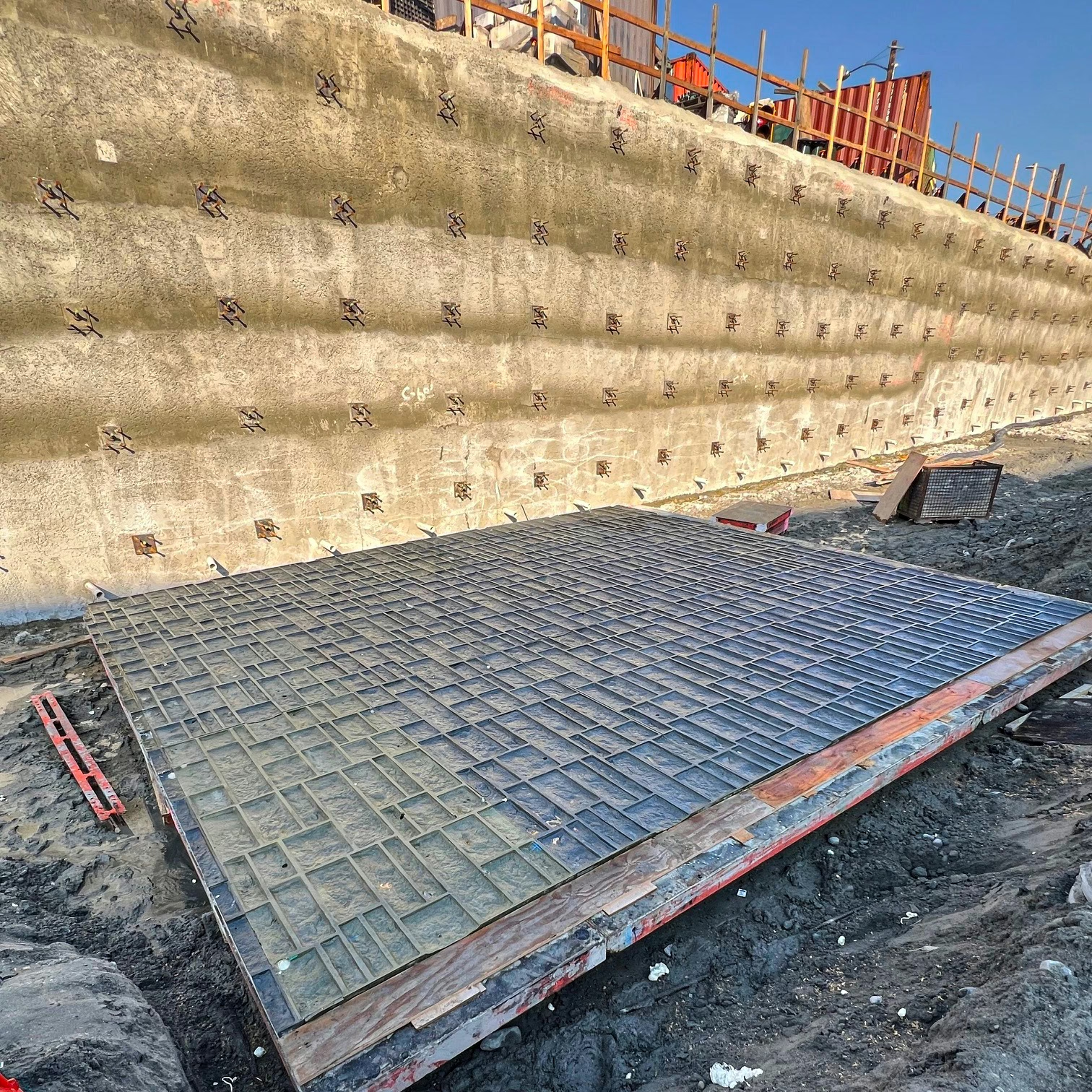
Break up long concrete spans with repeating or custom textures, transforming structural necessity into architectural intent.
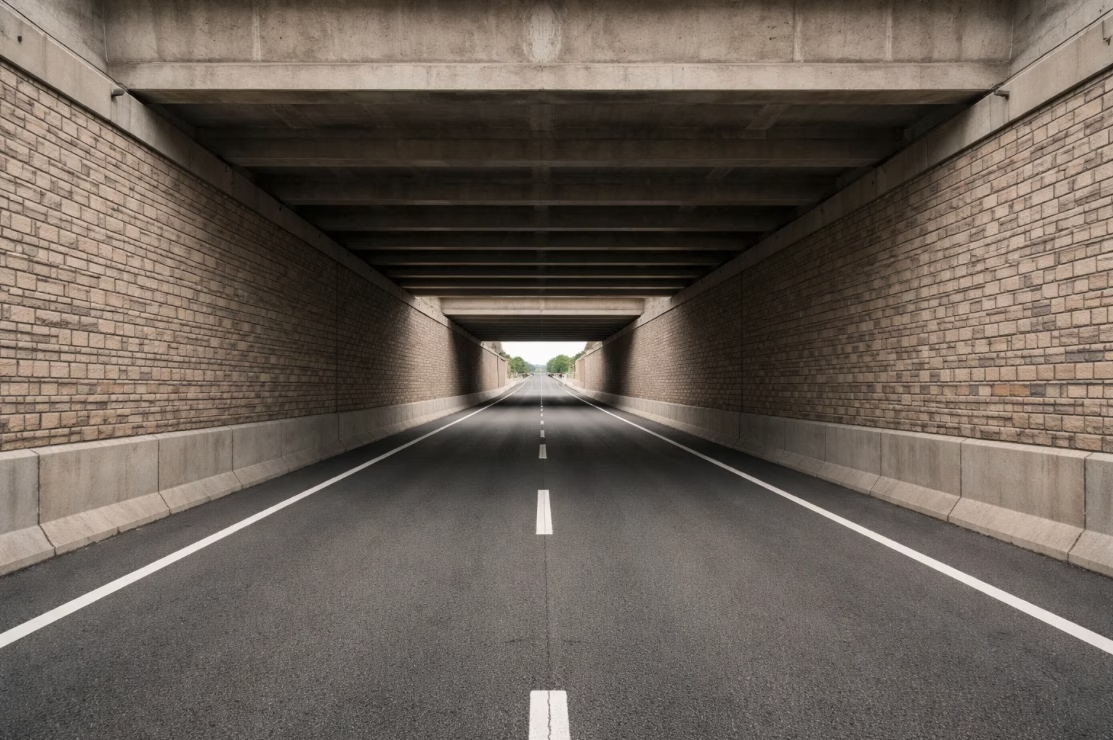
Create a defined architectural entrance with consistent patterning that signals a thoughtful, community-centered design approach.
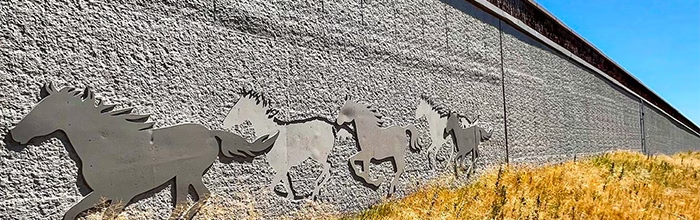
Enhance large surface areas visible to drivers and pedestrians with textures that soften the visual impact of infrastructure at scale.
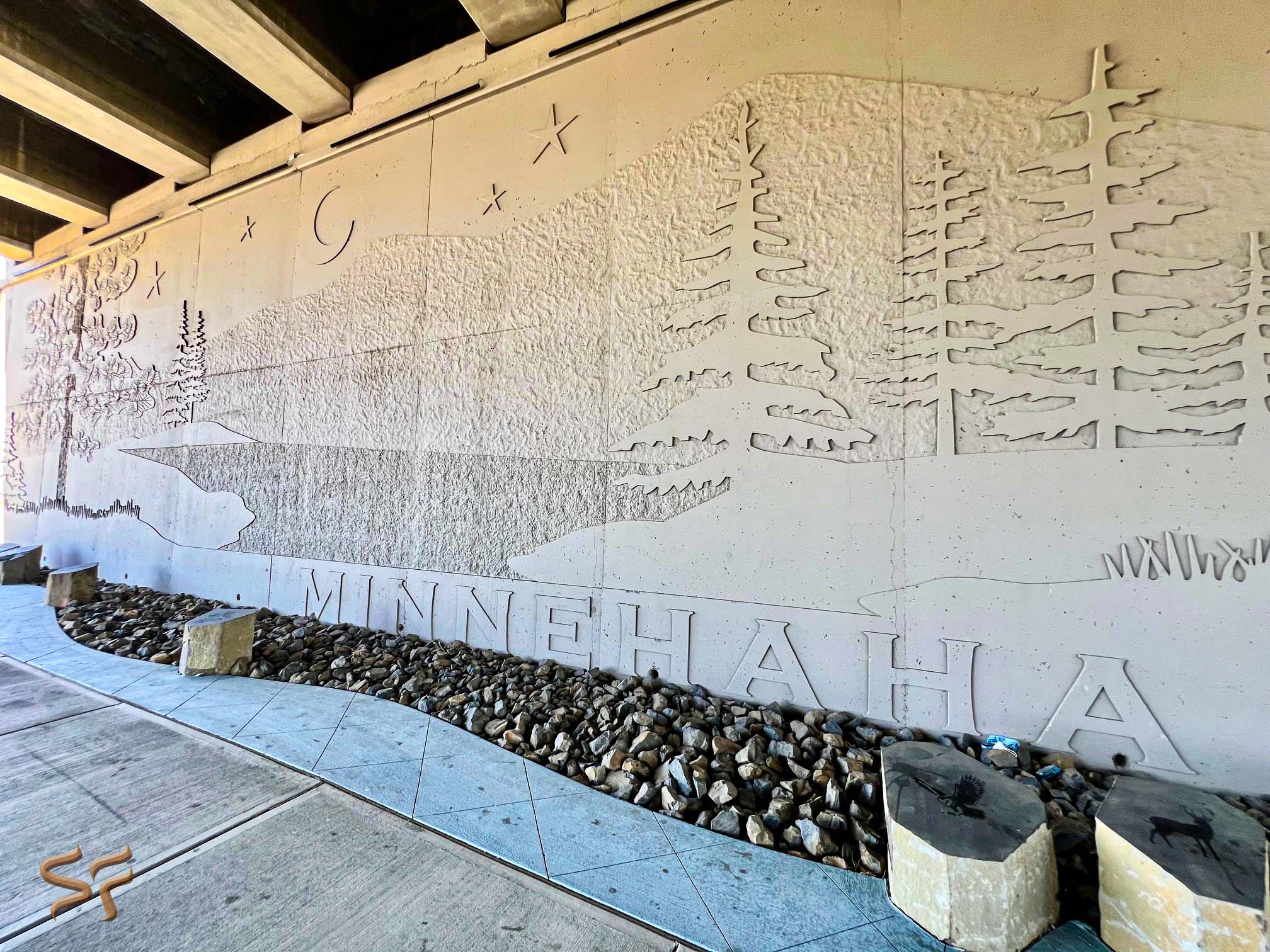
Improve safety perception and user experience through thoughtful texture and finish choices that make underpasses feel welcoming.
Modern concrete formliners offer a wide range of design flexibility to meet project requirements — from proven standard patterns to fully custom sculpted art.
Freeway underpasses demand materials that perform under constant stress. High-quality formliner systems maintain detail integrity across multiple pours and extended use cycles.
Rated for high compressive concrete pour conditions across large-scale infrastructure pours.
Maintains detail integrity under repeated vibration loads from live highway traffic.
Engineered for full sun exposure and extreme seasonal temperature fluctuations.
Resists moisture, highway runoff, de-icing chemicals, and environmental pollutants.
Form liners integrate directly into standard concrete forming processes, making them efficient for both precast and cast-in-place applications.
Panel dimensions optimized to your forms and pour schedule to minimize seams and alignment issues.
Specified to work with your existing forming equipment — steel, aluminum, or wood forms.
Correct release chemistry to protect liner integrity and surface quality across multiple pours.
Material selection based on target reuse count and project timeline demands.
Pattern registration engineered for visually seamless results across large surfaces.
Position and fasten liner panels using manufacturer-recommended fasteners and alignment guides.
Coat liner surface with the appropriate release agent to ensure clean stripping without surface damage.
Place concrete and consolidate with internal vibration. Avoid direct contact with liner surface.
After cure, strip forms carefully to reveal the finished texture. Inspect and store liner for reuse.
Form liners used in freeway projects must meet strict regulatory and performance standards. Working with experienced manufacturers ensures materials meet project-specific specifications and regional guidelines.
Explore related infrastructure applications:
Yes. Textured surfaces reduce the visibility of graffiti and make removal significantly easier compared to smooth concrete. The irregular surface breaks up spray patterns and allows cleaning agents to penetrate more effectively.
Many form liner systems are designed to meet DOT standards, but approval depends on project specifications and regional requirements. Our team works directly with agencies to ensure compliance for your state or jurisdiction.
Yes. Elastomeric and urethane systems offer the highest reuse rates — often 20 to 50+ pours — while plastic systems provide more limited reuse cycles.
Yes. Custom formliners can include patterns, logos, artistic designs, or regional motifs. Our in-house CAD and CNC capabilities allow us to develop custom molds from virtually any approved design or artwork.
Lead times vary depending on complexity and order size. Standard patterns typically ship faster than custom designs. Contact our team early in your project timeline and we'll work with your schedule.