
Wood has always held a special place in architecture. It brings warmth, organic texture, and a sense of biophilic design that softens harsh structural lines. But as beautiful as natural timber is, it comes with a host of structural and financial drawbacks: it rots, it burns, it warps, and it requires constant, expensive maintenance to keep it looking pristine. For architects looking to marry the aesthetic appeal of wood with the structural permanence of masonry, the solution is wood-grain concrete. Here is why it's rapidly becoming the material of choice for both commercial facades and heavy infrastructure, and how you can specify it for your next project.
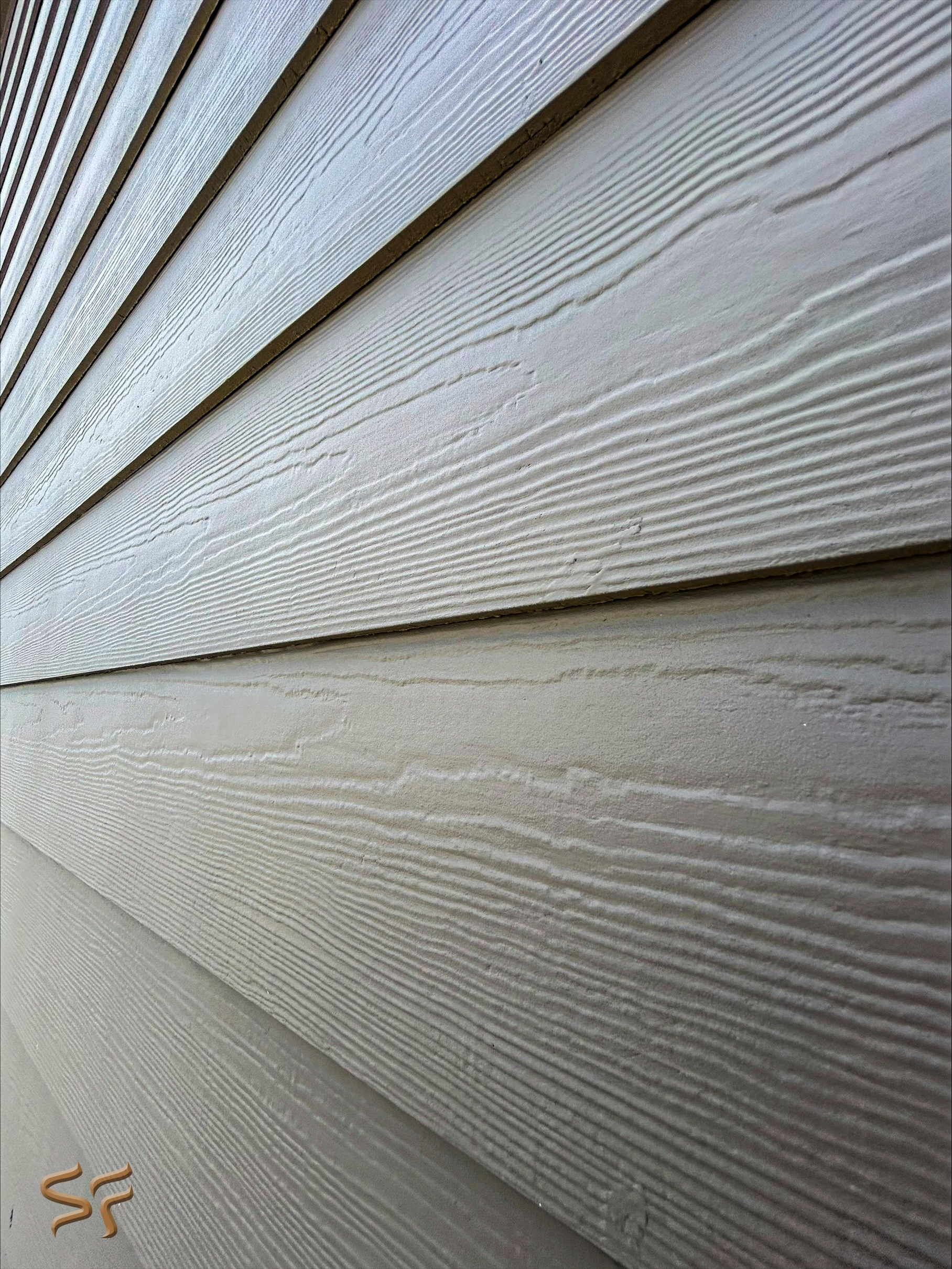
The Evolution of the Board Form Concrete Finish
Historically, a "board form concrete finish" wasn't a design choice; it was a byproduct of construction. Before modern steel or plastic forms were used, contractors poured concrete into wooden planks. When the wood was stripped away, the concrete retained the mirror image of the wood's grain.
Today, this aesthetic is highly sought after. However, using actual lumber to form concrete is wildly unpredictable. Real wood absorbs moisture from the concrete (which can alter the cure), the grain quickly fills with cement paste after a single use, and the boards can bow under the hydrostatic pressure of the pour.
Modern reusable concrete formliners solve this problem completely. By casting a polyurethane or plastic liner from real wood surfaces, the formliner transfers an ultra-realistic, deeply textured pattern into the wet concrete.
The Unmatched Benefits of Wood-Grain Precast
Zero Maintenance & Infinite Lifespan
Natural timber requires staining, sealing, and eventually, replacement. Wood-grain concrete is essentially maintenance-free. Whether installed in the sun-baked Southwest or subjected to brutal freeze-thaw cycles in the Canadian market, the texture will not degrade, splinter, or rot.
Fire & Pest Resistance
Wood is inherently vulnerable to fire and insects. In an era where building codes are increasingly strict regarding fire ratings and combustible facades, concrete offers ultimate peace of mind. A board-form concrete wall provides the visual warmth of wood while acting as a structural fire barrier.
Cost-Effective Repeatability
Sourcing and assembling actual rough-sawn timber for every panel is incredibly labor-intensive. A single premium urethane liner can yield 50 to 100+ pours, drastically lowering the cost per square foot compared to natural wood siding or single-use materials.
Specifying the Right Grain for the Project
Not all wood grains are created equal, and the success of a biophilic concrete design comes down to the depth of the relief and the authenticity of the pattern. Because the texture is physically cast into the wall, the way the sun hits the grooves dictates the realism.
When selecting a formliner, architects can choose from an incredible variety of styles depending on the desired aesthetic:
- Rough Sawn & Barnwood — deep, aggressive textures that mimic historic or reclaimed wood
- Random Cedar Board — alternating plank widths that break up visual repetition on large facades
- Shiplap & Tongue and Groove — clean, linear profiles perfect for modern residential or commercial accents
Pro tip: To prevent visible grid lines on massive pours, overlapping seams and interlocking liner panels can be engineered to make multiple panels look like one continuous, natural timber wall.
Merging Vision with Constructability
Translating a beautiful concept into a tangible structure requires the right tools. As Spec Formliners approaches its 30th anniversary this September, the focus remains on pushing the boundaries of what architectural concrete can achieve. With an extensive library of over 300 standard patterns, including dozens of meticulously crafted wood grains like Historic Wood Grain and Random Cedar, the goal is to give architects the freedom to design without compromising on the contractor's ability to execute efficiently.
Whether it's a precast sound wall or a cast-in-place commercial facade, wood-grain formliners bridge the gap between organic beauty and structural resilience.
Want to Bring the Warmth of Timber to Your Next Concrete Project?
Browse the Spec Formliners Wood Grains Catalog to explore our textures and request a sample today.